Abstract
Battery electrolytes consist of a combination of charge-carrying ions, organic solvents, and additives, which can be analysed by NMR using different NMR-active nuclei. This Application Note demonstrates how broadband NMR spectroscopy using the Oxford Instruments X-Pulse benchtop NMR spectrometer can characterise lithium-ion and sodium-ion battery electrolytes. It showcases how spectra acquired from 1H, 13C, 19F, 31P, 11B, 7Li, and 23Na nuclei provide information about alkyl carbonate solvents, electrolyte anions, and lithium or sodium cations. The results highlight the value of broadband NMR analysis for effective electrolyte characterisation in battery development and production.
Introduction
Lithium-ion (Li-ion) batteries have become ubiquitous in daily life, providing power for a diverse range of applications, ranging from mobile phones, computers, power tools, and medical devices to the green technologies including electric cars and solar energy storage. As our usage of lithium-ion batteries has grown, so has the need to optimise their performance and to ensure reliability over a long lifetime. At the same time new technologies including sodium-ion (Na-ion) batteries are in development.
Electrolytes play a crucial role in the performance and reliability of Li-ion batteries, providing the medium that allows anions and cations to carry charge between the electrodes, as shown in Figure 1.1. In the current generation of commercial batteries, the electrolyte is typically made up of organic small-molecule liquid solvents, commonly a mixture of alkyl carbonates, combined with a lithium salt. Examples include lithium hexafluorophosphate, Li[PF6], lithium bis(trifluoromethanesulfonyl)imide, Li[TFSI], and lithium bis(oxalato)borate, Li[BOB]. Additionally, various additives are used to ensure specific chemical and electrochemical properties.
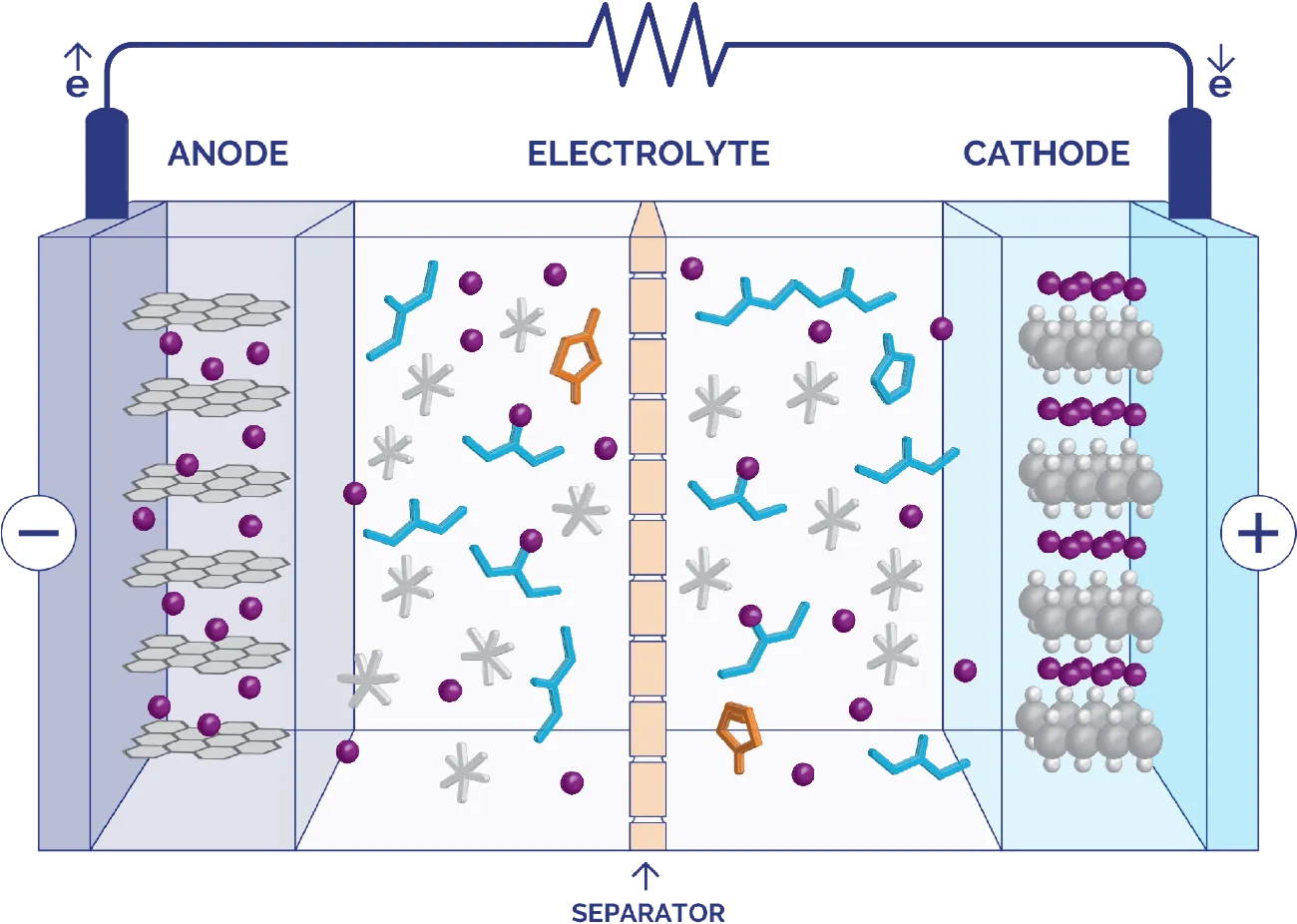
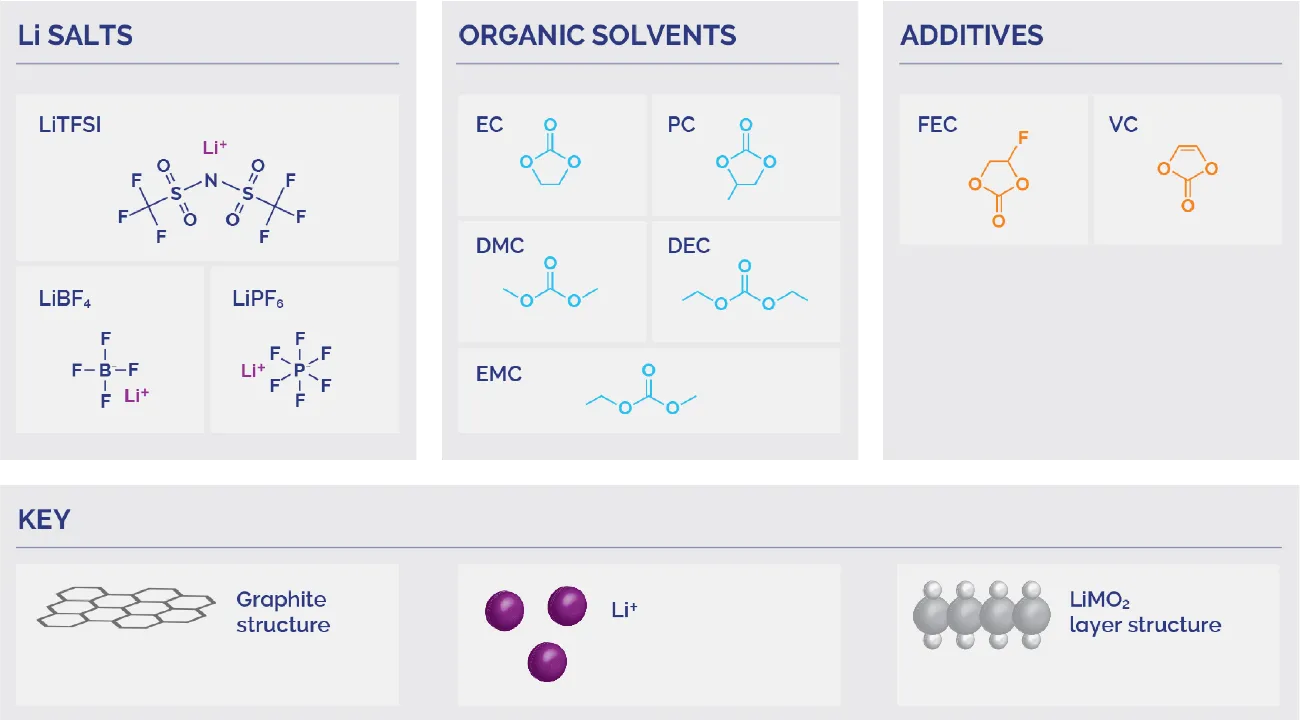
Figure 1.1 Diagram of a lithium-ion battery, showing major components including the anode, cathode, separator, and electrolyte.
While lithium-ion batteries have played a major role in transforming our daily lives, benchtop NMR spectroscopy has similarly begun to revolutionise quality assurance and quality control (QA/QC) processes by making a powerful technique easier and more accessible for routine analysis in any laboratory. Benchtop NMR has many potential lithium-ion battery QA/QC applications, as the well-resolved spectra of the small organic molecules and ions are ideally suited for quick, convenient analysis.
The Oxford Instruments X-Pulse broadband benchtop NMR spectrometer (available with a 60 MHz or 90 MHz permanent magnet) provides significant advantages for battery electrolytes. A single broadband X-Pulse instrument can analyse typical NMR nuclei such as 1H, 19F, and 13C, as well as many other nuclei commonly used in electrolytes, including 31P, 11B, 7Li and 23Na, making it an extremely valuable tool for both qualitative and quantitative analysis in the battery industry.
Multinuclear Analysis with Broadband NMR
One of the great advantages of NMR spectroscopy is that an appropriately designed spectrometer, such as the X-Pulse family of spectrometers, can observed a wide range of different nuclei at different frequencies. For example, on the X-Pulse 90 (with a 2.1 T magnet), while hydrogen-1 (1H, proton) will be observed at ca 90 MHz, while carbon-13 (13C) is observed at ca 23 MHz, phosphorus-31 (31P) at ca 37 MHz, and fluorine-19 (19F) at ca 85 MHz. These nuclei differ not only in the frequencies at which they are observed, but also in their relative sensitivities, which depend on both how strongly they interact with the magnetic field and the natural abundance of the specific isotope. These considerations, and others, are discussed in further detail in our series of articles on X-Nuclei NMR Spectroscopy.
Examples of Battery Electrolyte Analysis using Broadband NMR
A series of examples of NMR spectra acquired on a X-Pulse 90 MHz broadband benchtop NMR spectrometer, for samples of lithium-ion and sodium-ion battery electrolytes, are used to demonstrate the range of different spectra acquired on the same NMR spectrometer.
Solvent Analysis using 1H & 13C NMR
The solvent for the liquid electrolyte is commonly a mixture of alkyl carbonates, which can readily be investigated using 1H and 13C NMR spectra. The proton NMR spectrum (Figure 1.2), shown four distinct signals: a single sharp peak for both ethylene carbonate (EC) and dimethyl carbonate (DMC), while diethyl carbonate (DEC) gives two signals one a triplet (three peaks) and the other a quartet (four peaks) indicative of the ethyl group.
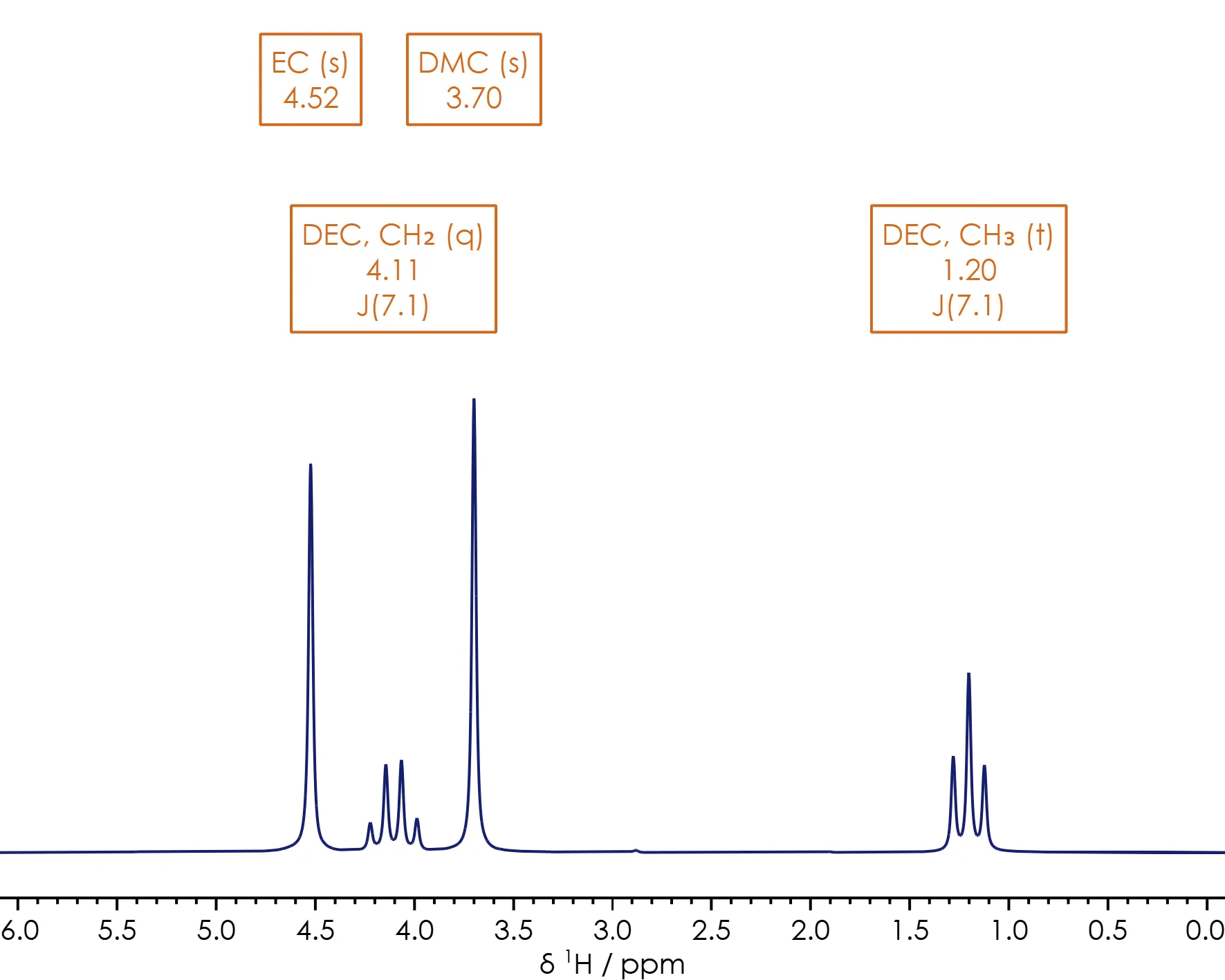
Figure 1.2 1H NMR spectrum of a Li-ion battery electrolyte.
In NMR spectra, a signal is split into multiple peaks due to the presence of other NMR active nuclei close by, as visible by the two signals from diethyl carbonate (DEC). This also occurs for other nuclei such as carbon-13. Since 13C accounts for 1.1% of naturally occurring carbon while the majority, carbon-12, is not NMR active, 1.1% of hydrogen atoms will be bound to 13C, and coupling / peak splitting is observed in the NMR spectrum. These peaks are known as carbon satellites and can be eliminated by acquiring 1H NMR spectra with 13C decoupling.
As shown in Figure 1.3, without decoupling numerous peaks appear in the baseline with intensities 0.55% that of the parent signal. In contrast, with 13C decoupling enabled, these peaks are eliminated. This is particularly important for the detection of low concentration additives or impurities, where those signals need to be distinguished from the carbon satellites.
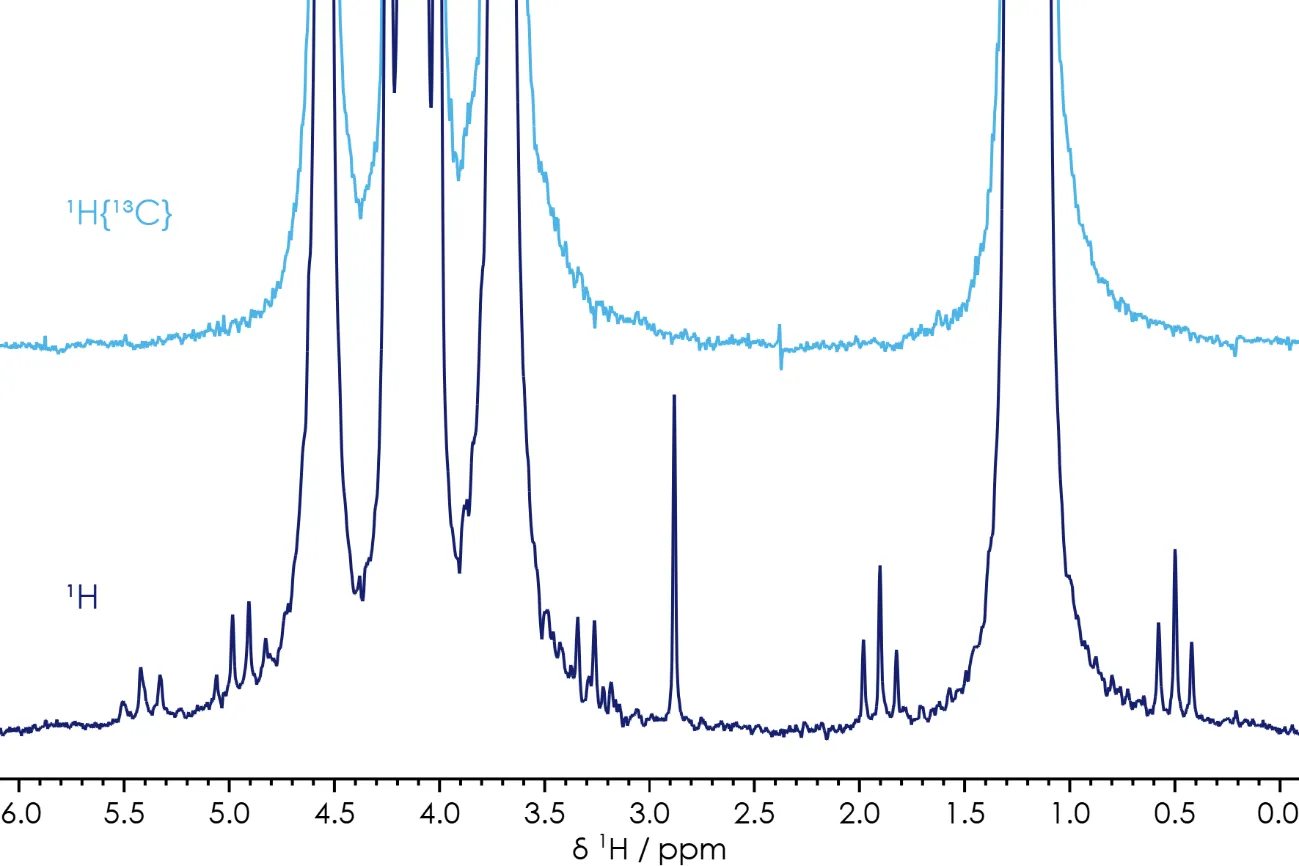
Figure 1.3 1H and 1H{13C} NMR spectra of a Li-ion battery electrolyte.
Carbon-13 spectra of alkyl carbonate electrolytes can be acquired quickly on an X-Pulse. For example, the spectrum shown in Figure 1.4 was obtained on the X-Pulse 90 in ca 20 minutes using 256 scans. Since this spectrum was acquired with 1H decoupling enabled, each chemically unique carbon environment gives a single sharp peak. Of particular note, the carbonate carbons give peaks in the region of 150 to 160 ppm and can therefore be used to identify the number of unique alkyl carbonates present in the sample.
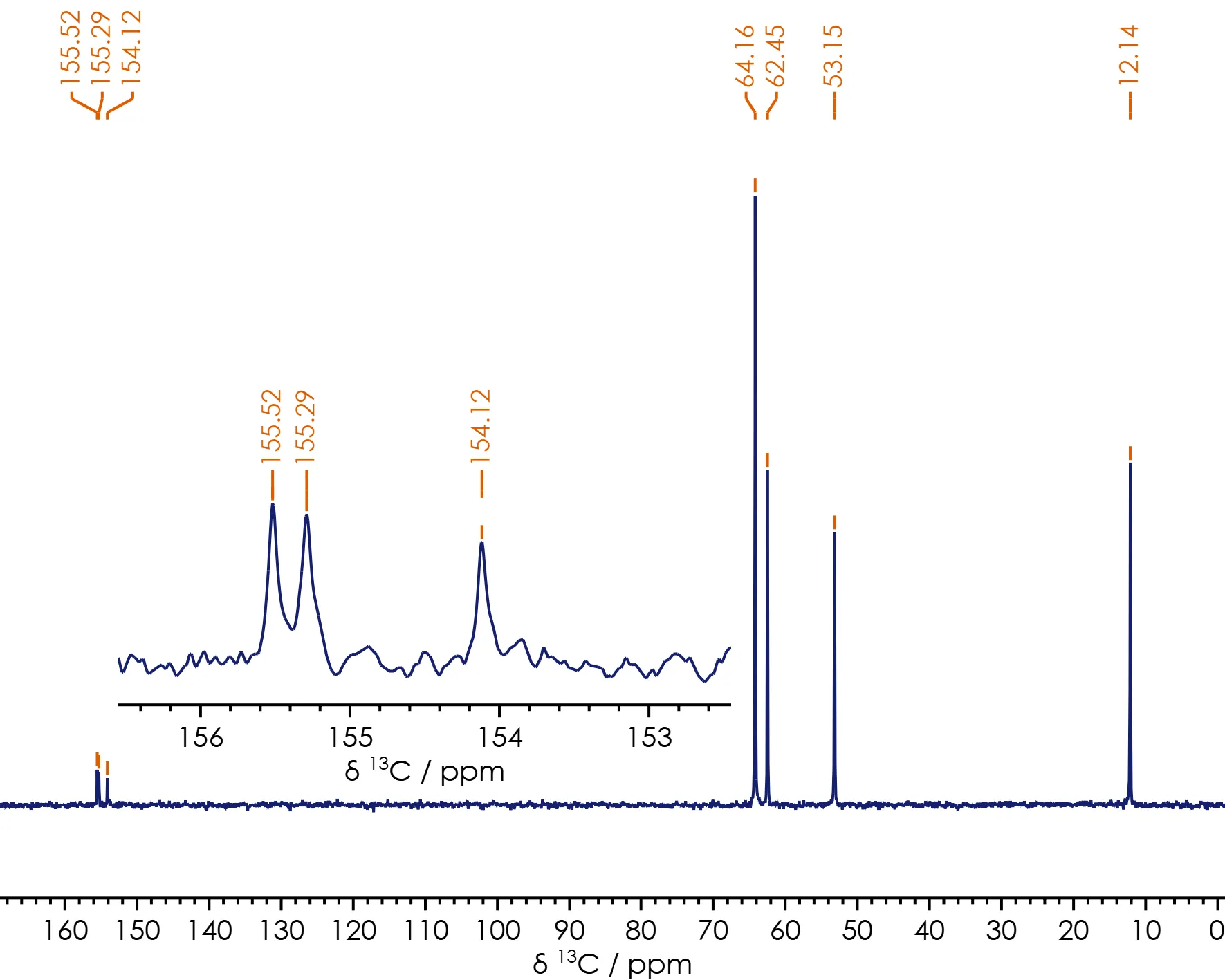
Figure 1.4 13C{1H} NMR spectrum of a Li-ion battery electrolyte. Insert showing magnification of the carbonate region.
Although usually unnecessary for the analysis of common formulations of Li-ion battery electrolytes, the X-Pulse can be used to perform more advances NMR experiments, such as the two-dimensional 1H-13C gs-HSQC-ME experiment shown in Figure 1.5.
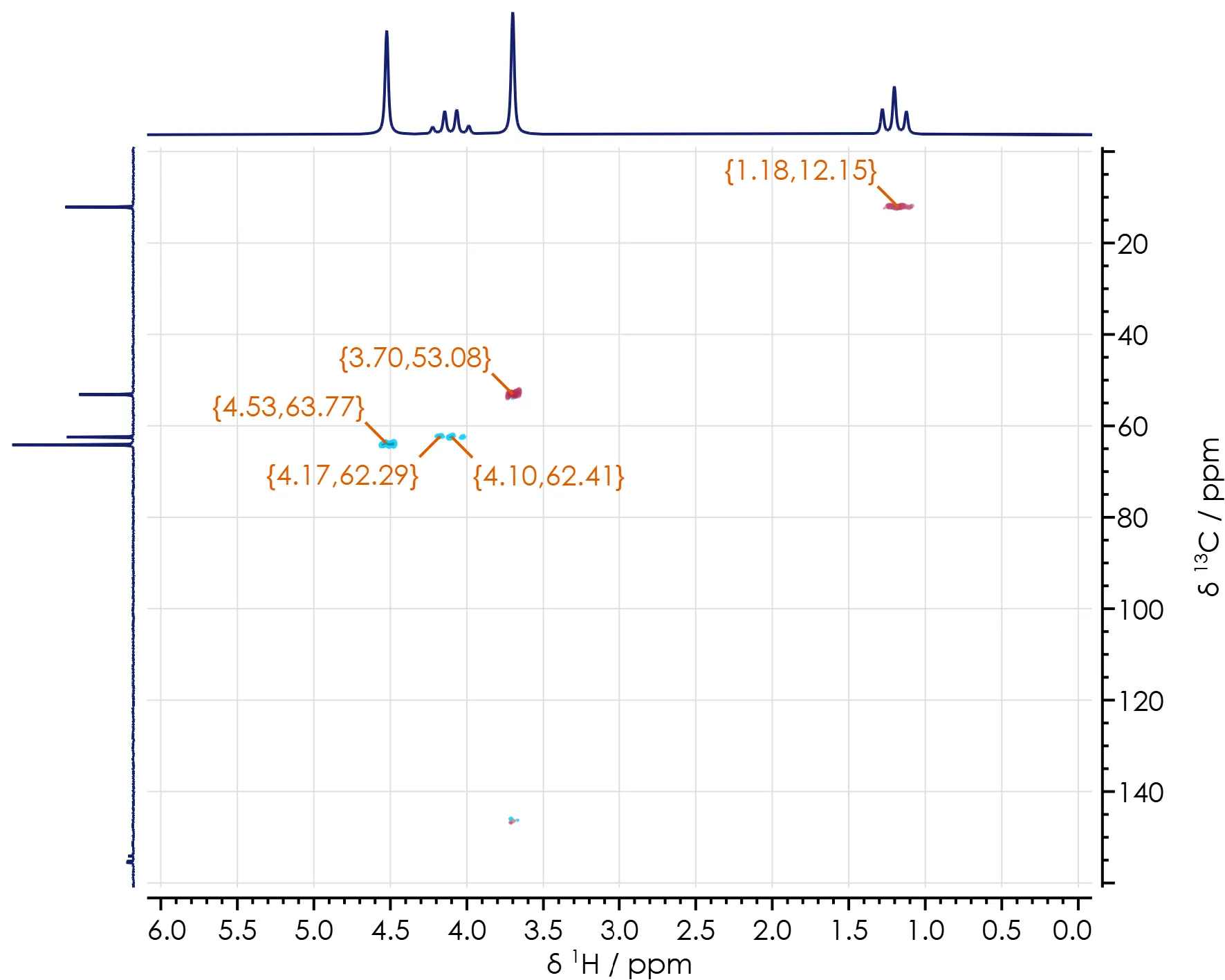
Figure 1.5 1H-13C gradient-selective Heteronuclear Single-Quantum Correlation Spectroscopy with Multiplicity Editing (gs-HSQC-ME) spectrum of a Li-ion battery electrolyte.
Anion Analysis using 19F, 11B and 31P NMR
Charge carriers in Li-ion electrolytes are salts of the positively charged lithium ion and negatively charged anions; The most commonly used anion in commercial lithium-ion batteries is hexafluorophosphate, [PF6]−, although other fluorinated anions are also commonly used. Both 19F and 31P are 100% naturally abundant and NMR active, making NMR ideal for studying these species.
The 19F NMR spectrum of a Li[PF6] containing battery electrolyte is shown in Figure 1.6. The signal appears as two peaks, due to coupling between the six equivalent fluorine atoms and the phosphorus atom.
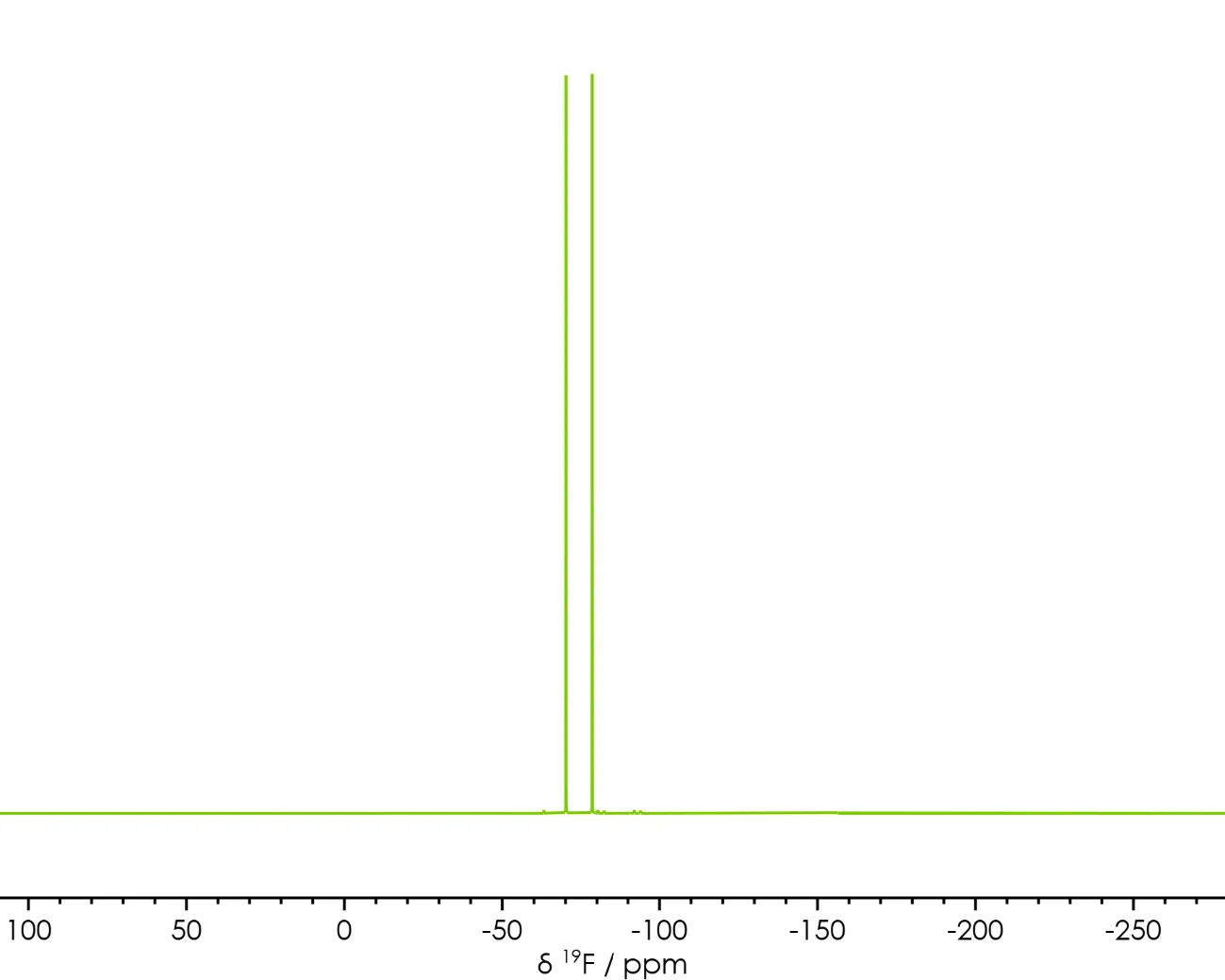
Figure 1.6 19F NMR spectrum of a Li-ion battery electrolyte
The corresponding 31P NMR spectrum (Figure 1.7) again shows a single signal. However, this appears as seven peaks due to coupling of the phosphorus atom with the six equivalent fluorine atoms. Because the peak splittings arise from the same effect, the separation between these peaks is the same in both the 19F and 31P spectra (1JPF = 707 Hz). Both the peak splitting (J-coupling) and chemical shift are diagnostic for identifying different species in the NMR spectrum.
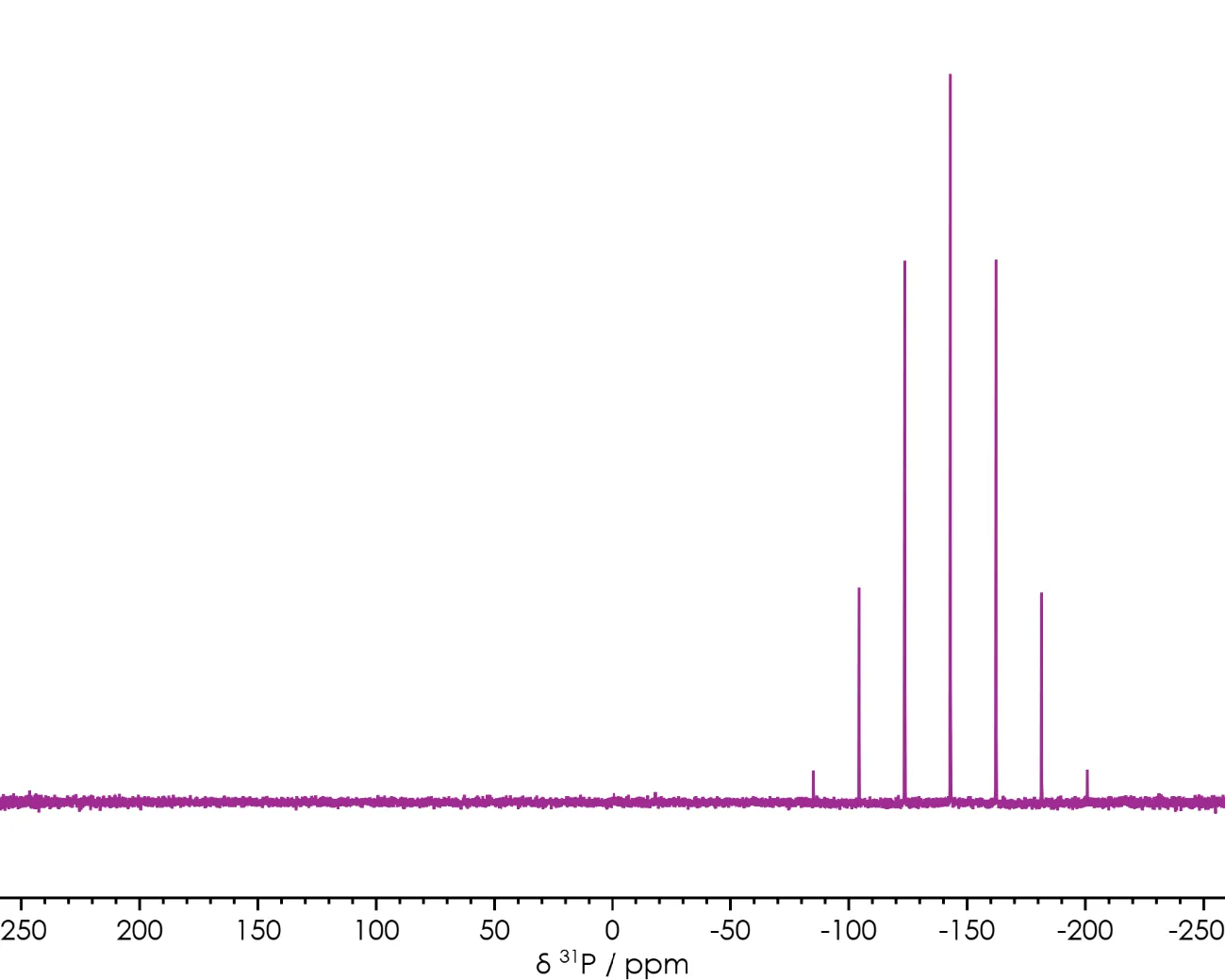
Figure 1.7 31P NMR spectrum of Li-ion battery electrolyte
Other anions used in Li-ion batteries can include boron. Boron-11 is 80 % abundant and NMR active. Figure 1.8 shows a series of 11B spectra obtained for a series of Li-ion battery electrolyte samples, each containing different proportions of tetrafluoroborate, [BF4]−, difluoro(oxalato)borate, [B(C2O4)F2]−, and bis(oxalato)borate, [B(C2O4)2]−.
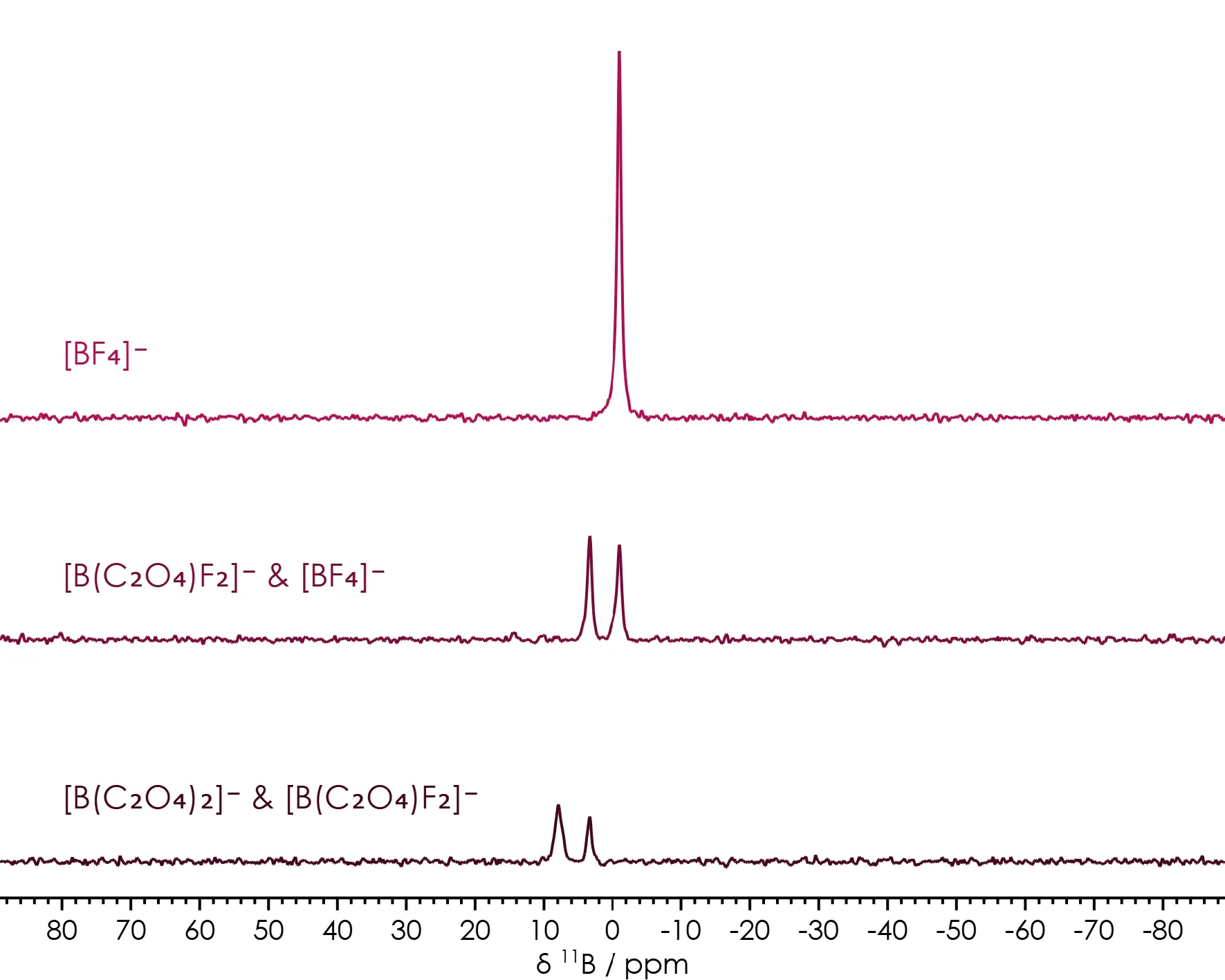
Figure 1.8 11B NMR spectra of Li-ion battery electrolytes.
Lithium and Sodium Cation Analysis using 7Li or 23Na NMR
Both lithium-7 and sodium-23 are NMR active and have a high natural abundance. Therefore, NMR spectra of the Li+ cation (and the Na+ cation) can readily be acquired on the X-Pulse (Figure 1.9). In both cases, the spectrum gives a single peak around 0 ppm.
NMR spectroscopy can be used to accurately quantify the amount of lithium or sodium present (see Application Note Quantifying Ion, Solvent, and Additive Composition), and measure the diffusion constant of the lithium or sodium ions (see Application Note Measuring Ionic Diffusion Across Temperature), both of which are important values for the manufacture and development of battery electrolytes.
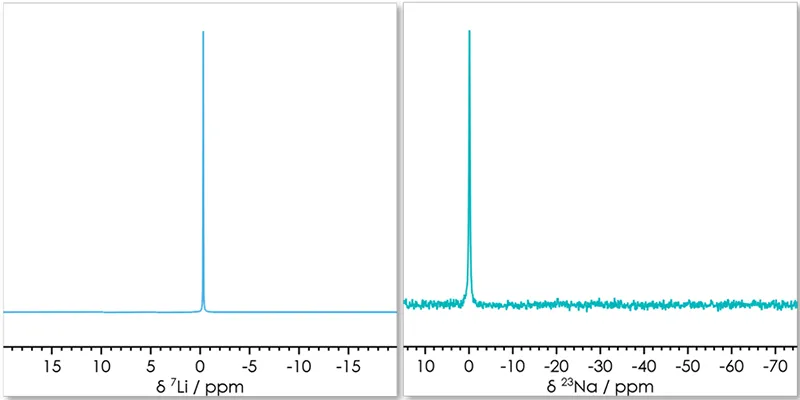
Figure 1.9 7Li NMR spectra of Li-ion battery electrolyte (left); 23Na NMR spectra of Na-ion battery electrolyte (right).
Summary
The X-Pulse 90 and X-Pulse 60 broadband benchtop NMR spectrometers are ideal tools for the analysis of lithium-ion and sodium-ion battery electrolytes. This Application Note demonstrates how broadband benchtop NMR spectroscopy can analyse alkyl carbonate solvent mixtures, distinguishing carbon satellites from low-level impurities or additives, characterise inorganic ions, commonly including fluorine, phosphorous and/or boron, and acquire spectra of the lithium or sodium ions. This makes the X-Pulse family of spectrometers, versatile tools for both routine QA/QC and advanced battery electrolyte development.