Abstract
Steels are used for a wide range of purposes with their properties optimised for the intended applications. The presence of non-metallic inclusions in steel can have a significant effect on a steel's properties and therefore monitoring, characterising and controlling the presence of inclusions in steels is a vital task in ensuring that the correct properties are delivered.
In this application note we explain how AZtecSteel, an industry dedicated application of the AZtecFeature particle analysis platform, can be used for this purpose.
Introduction
The use of speciality steels in industry is becoming increasingly widespread. These speciality steels have improved mechanical behaviour including improved toughness, machinability, ductility, and fatigue life. An important controlling factor for this superior behaviour is the 'cleanliness' of the steel. This is a measure of the abundance and type of non-metallic inclusions within the steel. Non-metallic inclusions are an inevitable part of the steel making process; they influence both the processing and performance of steel products and can have a negative effect on the steel's properties particularly in producing defects (e.g. internal notches) and potentially causing failures. When investigating the influence of non-metallic inclusions on the quality of steel, the properties (chemical, size, distribution and physical characteristics) of these inclusions are of great importance. As the demand for clean and ultraclean steels increases, there is also a requirement to detect smaller and smaller inclusions in larger sample areas.
Historically, light optical microscopy methods were used to classify steels by counting and measuring the inclusions present. Whilst effective, this approach is very time intensive if performed manually and requires an analyst with expertise in the topic. The minimum inclusion size that can be detected is also limited by the technique and, very significantly, it is open to potential misinterpretation as inclusion identifications are made without the use of compositional information.
As such, an alternative approach is needed for the identification and characterisation of non-metallic inclusions in steel. Here we show how these analytical requirements are best addressed with a scanning electron microscope (SEM) equipped with Energy Dispersive X-ray spectroscopy (EDS) and dedicated particle analysis software. The use of SEM and EDS adds precision beyond what can be achieved with light optical microscopy as morphology is more accurately determined (on the micro- and nanometre scale) while chemical information is also added.
AZtecSteel
AZtecSteel is an automated package developed specifically for the automated analysis and classification of non-metallic inclusions in steel, using EDS in the SEM. Here we consider the use of AZtecSteel for the complete characterisation of 5 steels. We demonstrate how inclusions across the population can be assessed and how they can be classified across the sample.
SEM-based Inclusion Analysis
The SEM is a powerful tool for the analysis of small features in samples. By combining the SEM with an EDS system, chemical information can additionally be obtained. Using large area Ultim® Max silicon drift detectors (SDD) with AZtecSteel enables high resolution spectra to be acquired at very high-count rates. This meant that short acquisition times could be used for EDS analysis, leading to very high throughput rates. Furthermore, reliable classifications can even be achieved for micro to nano-sized inclusions when working at either high or low kV. All acquired data was automatically processed with AZtec's Tru-Q™ algorithms to ensure that a quantification of the highest quality was achieved at the very high-count rates used (i.e. 400,000 cps).
AZtecSteel is a powerful and flexible SEM-based particle analysis platform, which can characterise all aspects of non-metallic inclusions, both during automated and manual investigations. It can perform morphology only or full compositional and morphological analysis to provide a complete characterisation of inclusions. This process can be completed at speeds in excess of 120,000 particles per hour for full morphological and compositional screening.
AZtecSteel consists of a recipe and classification scheme for AZtecFeature and Inclusion Classifier. AZtecFeature is used to detect, measure and analyse the inclusions in the steel. Inclusion Classifier processes and reports on the resulting data set to the requirements of published international standard methods.
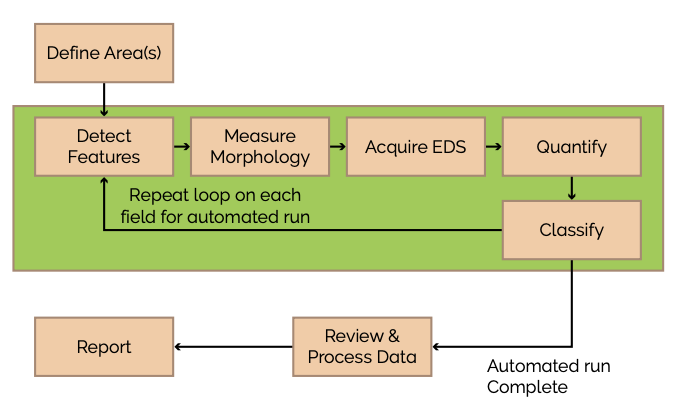
AZtecSteel has been designed to have a straightforward workflow which guides the user through the analysis process. The image below describes the workflow for Steel Inclusion Analysis.
Samples and Data Acquisition
Five samples of different steel types were investigated. These steel types were: 100Cr6 steel, ultra clean steel, low alloy steel, valve steel and high-speed steel. Samples were cut, mounted and mechanically polished using standard metallographic techniques. These specimens were examined with AZtecSteel and a large area Ultim Max 170 silicon drift detector (SDD) attached to a FEGSEM. EDS data was collected at 15 kV. Automated large area analysis was performed to collect statistically representative data from across the samples. Fig. 1 shows an example of a sample stub holding a steel sample for analysis.
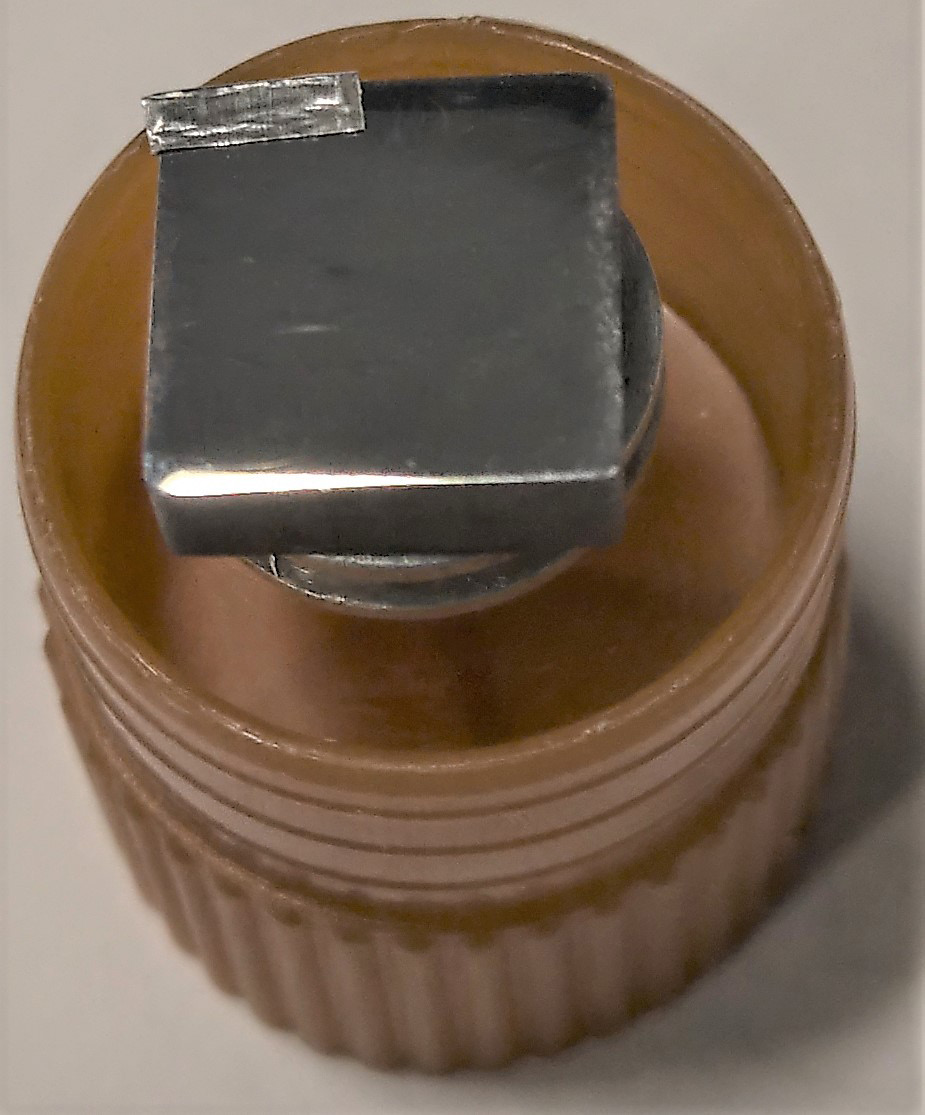
Fig 1. Typical polished steel sample for inclusion analysis.
Detecting Inclusions and EDS Analysis
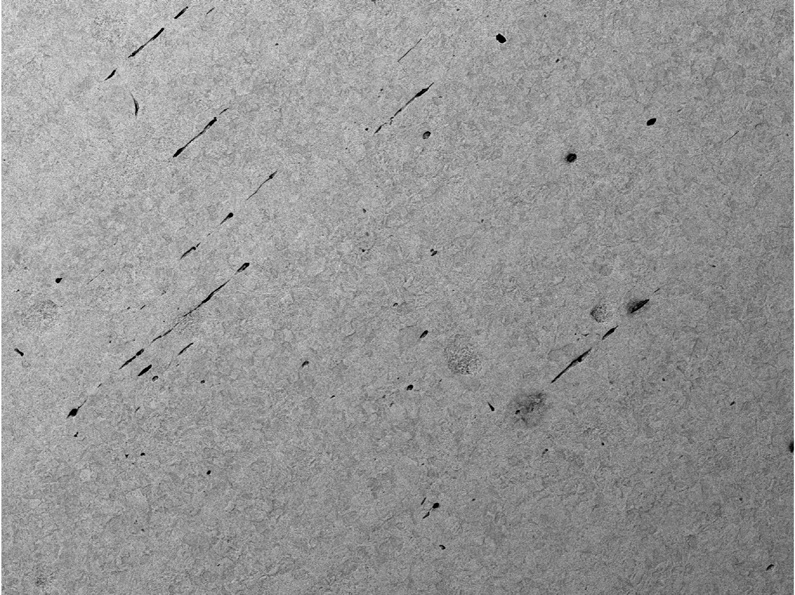
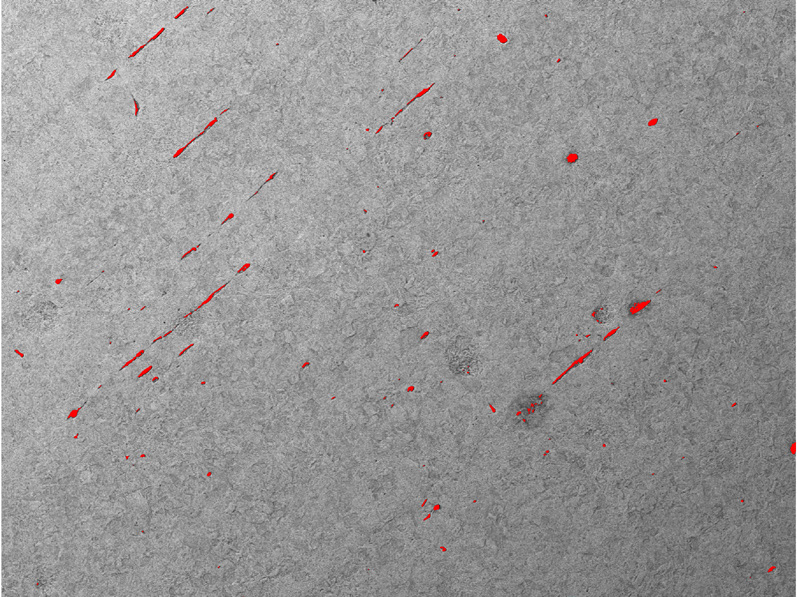
The samples were imaged using the SEM's backscattered electron (BSE) detector. Contrast in BSE images is related to the mean atomic Z number of the phase, making BSE imaging ideal for determining inclusion locations as variations in composition are made clear. Since most non-metallic particles consist of elements which are lighter than Fe elements (i.e. Al, Ti, Mg, Si, S, O), they appear darker in a BSE image than the Fe matrix, as shown in Fig. 2. In such cases, the inclusions are identified and separated from the steel matrix by means of a single grey threshold.
(a)
(b)
Fig 2. (a) BSE image showing inclusions in a low alloy steel; (b) Inclusions are identified using grey level thresholding (thresholded inclusions shown in red).
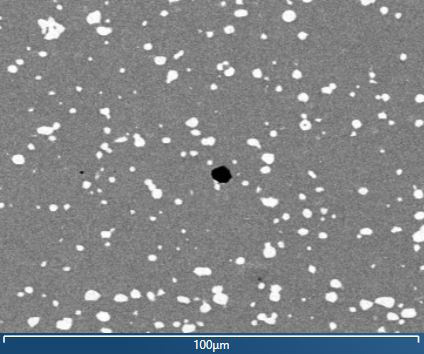
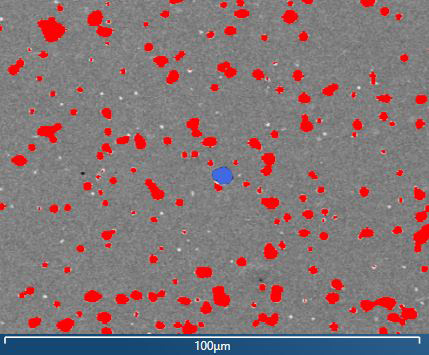
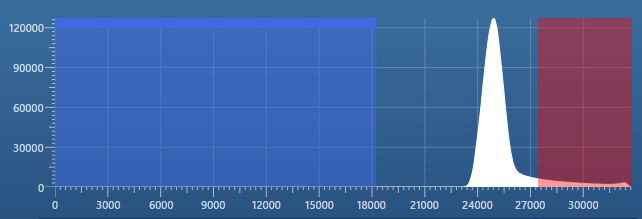
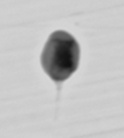
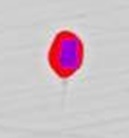
AZtecSteel allows multiple grey level thresholds to be set up to enable the analysis of sets of inclusions including those both lighter and heavier than matrix (e.g. rare-earth treated steels) (Fig. 3a). This approach also permits the identification of the separate components of complex inclusions which have more than one grey level when viewed in BSE as shown in Fig. 3b.
(a)
(b)
Fig 3. (a) Inclusions brighter and darker than the matrix and (b) components of complex inclusions are identified and separated with two grey thresholds.
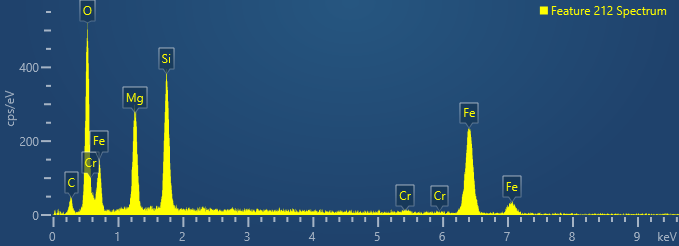
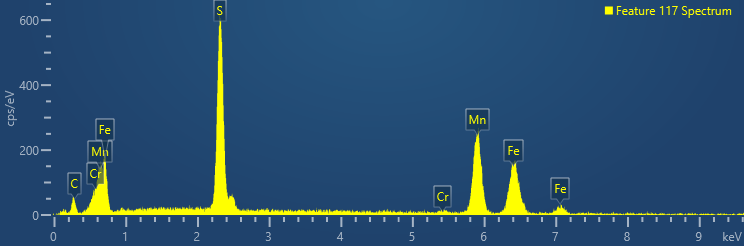
The location information acquired from the thresholded inclusions is then used to determine where EDS measurements should be taken. The morphology of all inclusions is measured automatically and instantly and is combined with compositional data from the subsequent EDS analysis. Fig. 4 shows a typical 15 kV spectrum acquired from Mg-silicate and MnS inclusions which were visible in the image shown in Fig. 2.
(a)
(b)
Fig 4. Typical spectrum acquired from (a) Mg-silicate and (b) MnS inclusions.
Automated Large Area Analysis
The analysis shown above can easily be extended to a large area by setting up an automated large area run with the results from each field combined into a single data set. All data sets shown in this application note were obtained from a large area run. 40,000–60,000 x-ray counts were acquired from each inclusion using rapid acquisition times, in order to ensure that the analysis was both fast and accurate.
| Steel Type | No. of Inclusions | No. of Fields | Area (sq.μm) | Acquisition time (min) | Counts per inclusion |
| 100Cr6 | 1011 | 9 | 5.57E+06 | 14 | 60000 |
| Ultra Clean Steel | 251 | 20 | 1.24E+07 | 10 | 60000 |
| Valve Steel | 329 | 16 | 1.13E+05 | 9 | 60000 |
| Low Alloy Steel | 2724 | 12 | 7.43E+06 | 32 | 60000 |
| High Speed Steel | 150563 | 44 | 1.02E+07 | 16h | 40000 |
Table 1 Summary of large area runs from steel samples
Classification
As soon as EDS data is acquired, the quantified data is classified by a dedicated scheme in real time. Six dedicated classification schemes optimised for inclusions in different types of steels are included in AZtecSteel. They address a broad range of steels: low alloy, high alloy, rolled homogeneous armour (RHA), high hardness armour (HHA), ultra-low carbon (ULC) etc. These schemes cover a range of inclusion types including various oxides, borides, Ti phases, nitrides, sulfides, oxysulfides, NbMo-carbonitrides, W-carbides, REE (Rare Earth Element) phases, Zr oxides etc. These schemes can be easily modified. When this is done, data is immediately and automatically re-classified so that the effect of changes can be seen instantly.
Low-alloy Steel
Low alloy steels are widely used to produce pipes, automotive and aerospace bodies, railway lines and offshore and onshore structural engineering plates (amongst other things) due to their corrosion resistance, good formability and weldability. Inclusions in low-alloy steels are the main cause for pitting initiation with sulfide inclusions more likely to cause pitting corrosion than other inclusions. The presence of inclusions can also accelerate the propagation of pitting corrosion in the material.
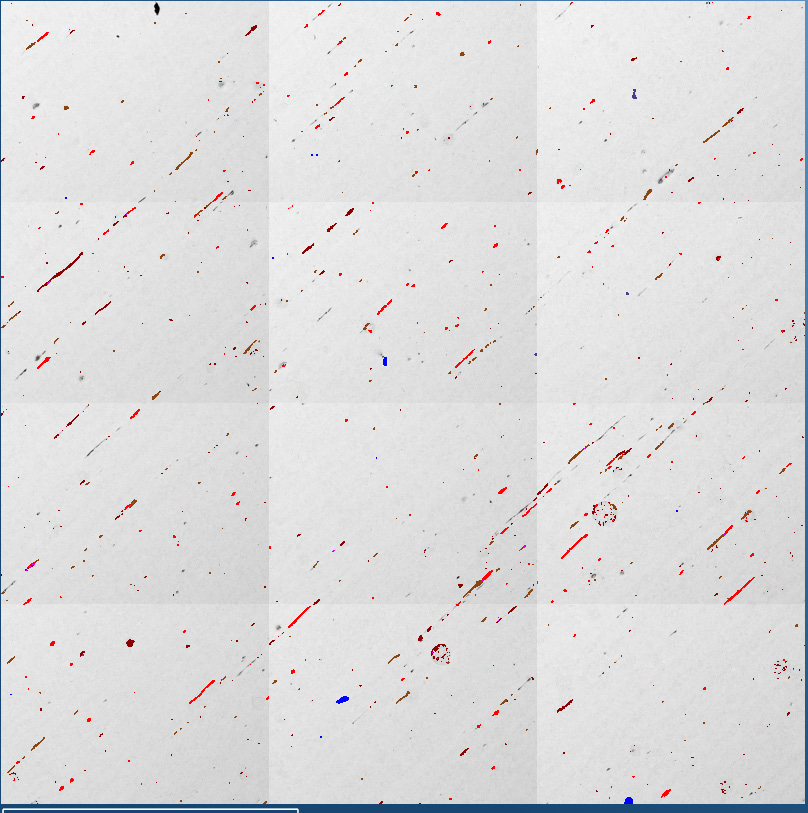
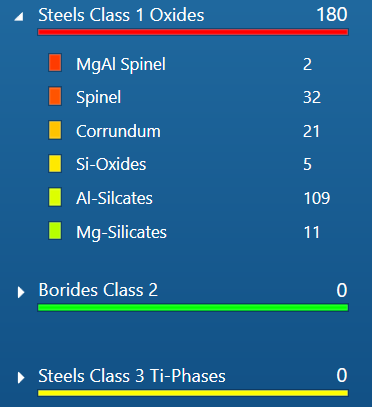
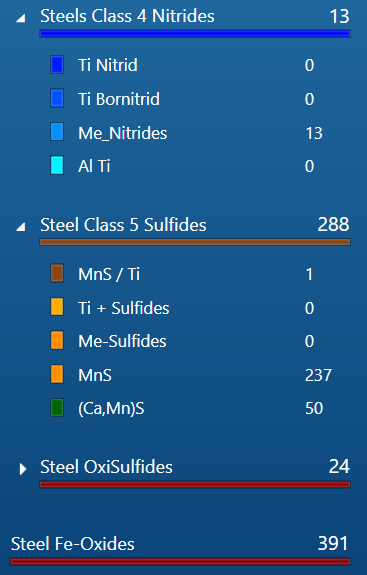
Fig. 5 shows the classified inclusions across a large area in a low-alloy steel sample. It indicates the presence of MgAl spinel, spinel, corundum, Si-oxide, Al-silicate, Mg-silicate, transition metal (Me)-nitrides, MnS/Ti, MnS, (Ca,Mn)S, and Al-oxide/MnS inclusions. It is mainly dominated by inclusions of Al-silicates and MnS. The majority of them are elongated in shape and are observed to form stringers. This indicates further processing optimisation may be required to reduce the number of sulphide inclusions.
(a)
(b)
Fig 5. (a) Inclusions meeting detection criteria are detected, analysed and coloured by their class in a large area in the low alloy steel. (b) Classification totals and colour keys.
100Cr6
The 100Cr6 steel is mainly used in the production of rolling elements such as balls, cylinders and rings for bearings. When steel is used in ball-bearings, cleanliness of the steel is particularly critical: Inclusions cannot be tolerated as bearings are highly stressed and more vulnerable to onset of rolling contact fatigue which initiates at hard, nonmetallic inclusions. This requires a proper chemical composition with a minimum content of non-metallic inclusions.
Table 2 lists the types of inclusions which were detected in a 100Cr6 steel sample. It reports both the total number of detected particles in each size bin as well as the number of inclusions in each compositional class. It shows that the majority of 972 inclusions found in the 100Cr6 steel sample are MnS, (Ca,Mn)S and Al oxides, as well as there also being MgAl spinel, corundum, Si-Oxides, Al-Silcates and Me-Sulfides present as well as complex inclusions such as MnS / Ti and Al-Oxid / MnS.
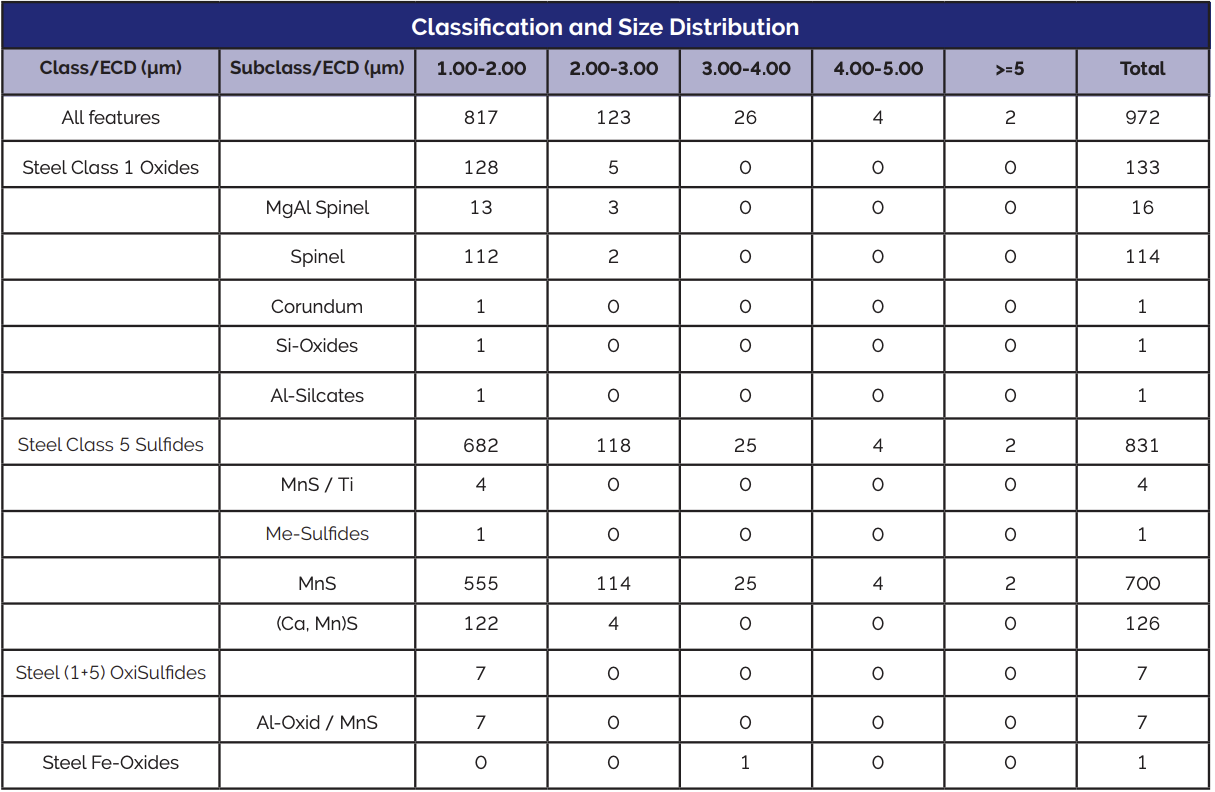
Table 2 All inclusion classification and size distribution summary in a 100Cr6 steel sample
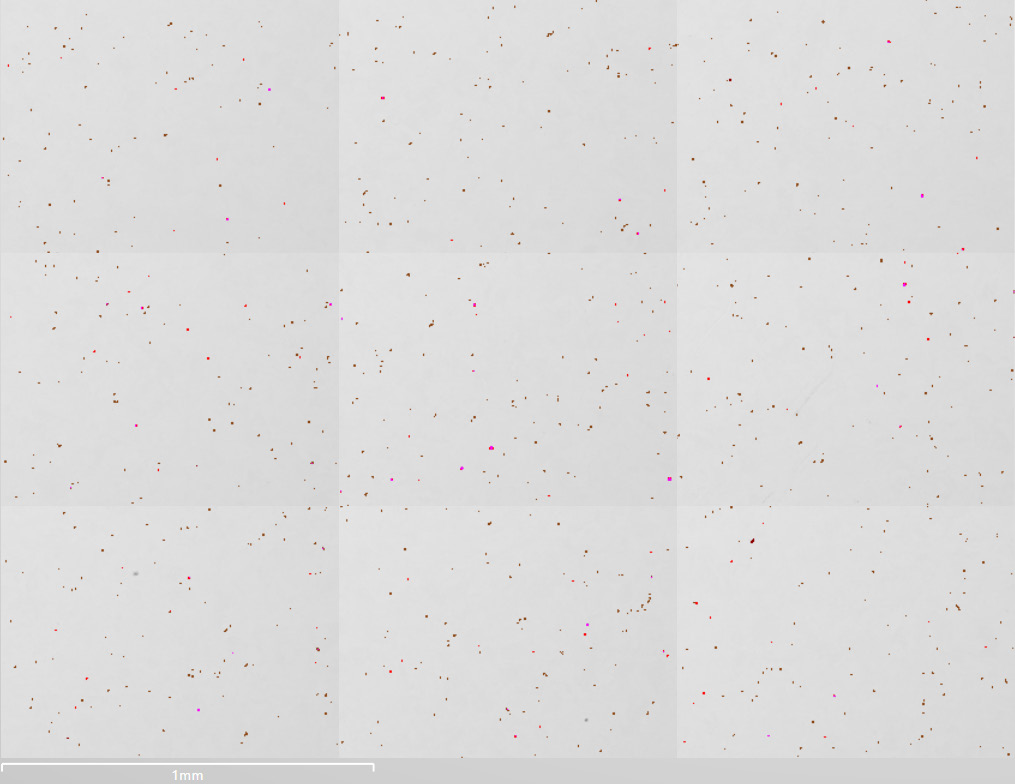
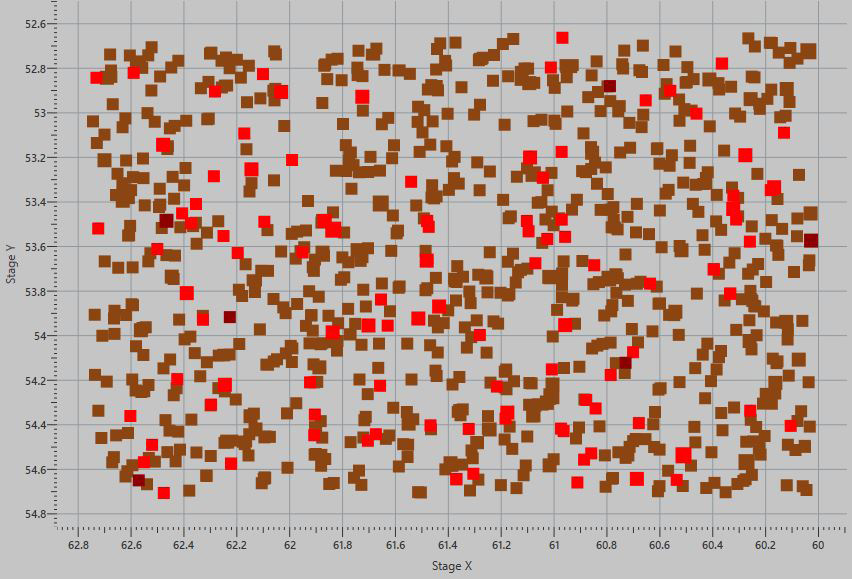
The inclusions are small and distributed evenly as shown in Fig. 6. The inclusion size (ECD) is between 1 and 5.73μm with a mean ECD is 1.72μm.
Valve Steel
Austenitic valve steels are precipitation hardened – a process which provides good resistance to corrosive attack, even at high temperatures, as can happen with engine exhaust gases. These steels have also been proved to have outstanding resistance to wear and to thermal and mechanical shock. As a result, they are frequently used in the manufacture of internal combustion engine valves.
The valve steel sample investigated here has had nitrogen and boron added to it for increased high-temperature resistance. In this context, the inclusions of borides and/or nitrides is undesirable as they may result in intergranular corrosion or intergranular stress corrosion cracking which can be significantly harmful to the mechanical properties. Controlling these borides' morphology, abundance and distribution is essential for the development of an optimal microstructure that maximises the desired properties.
Table 3 lists the types of inclusion detected in this valve steel sample. It shows that the majority of inclusions found were borides, nitrides and MnS, as well as one corundum inclusion.
(a)
(b)
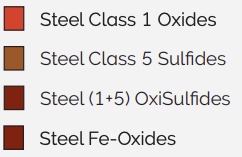
Fig 6. (a) Montaged image showing detected inclusions from a large area; (b) Classified distribution of inclusions from the 100Cr6 steel sample.
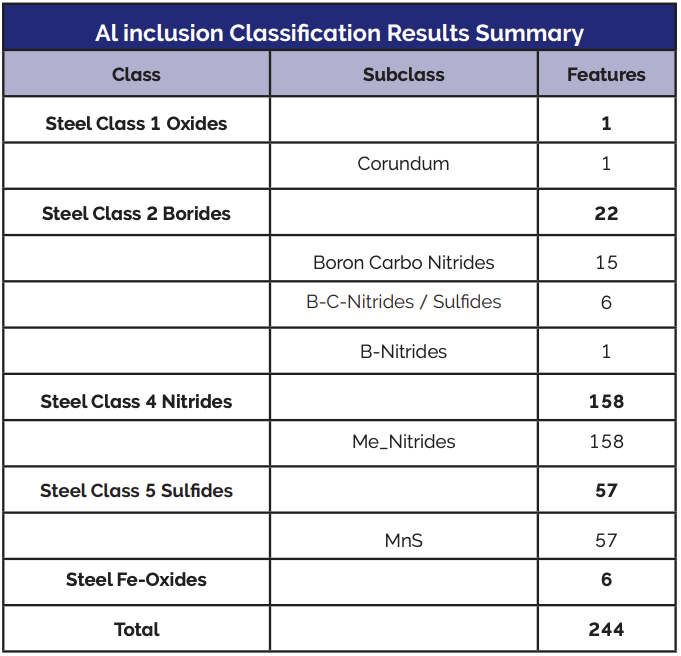
Table 3 All inclusion classification summary in a valve steel sample
This information helps in understanding how controlling sulphur content can enable the number of sulphide inclusions to be reduced whilst ensuring consistent machinability.
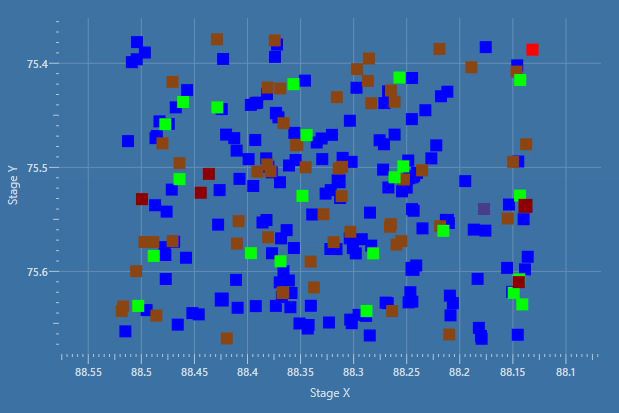
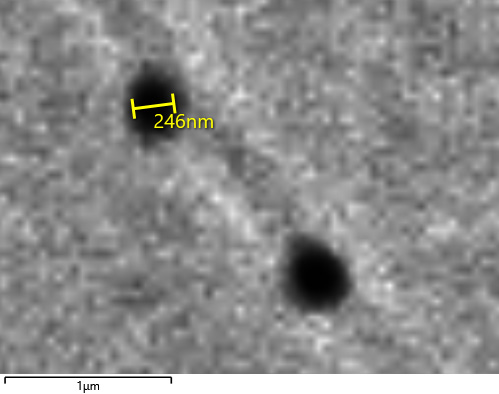
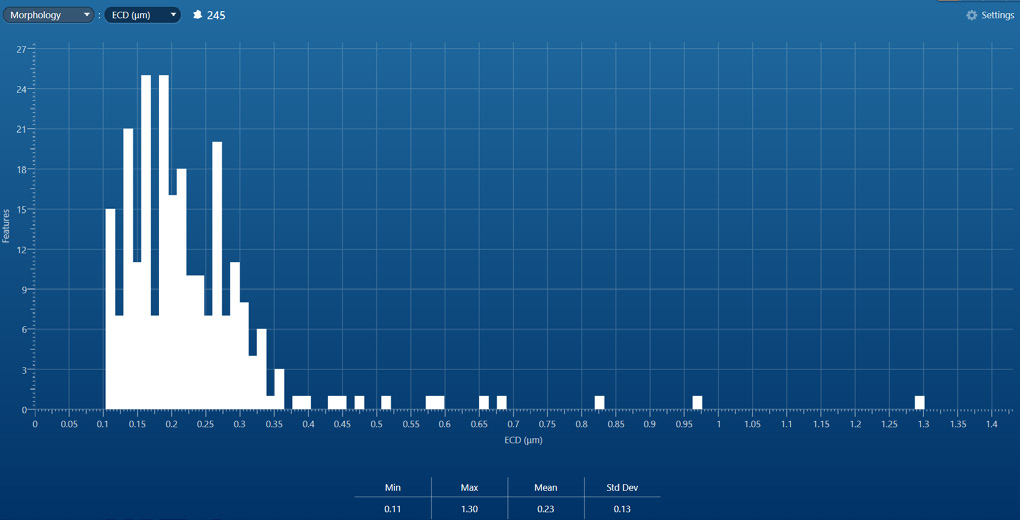
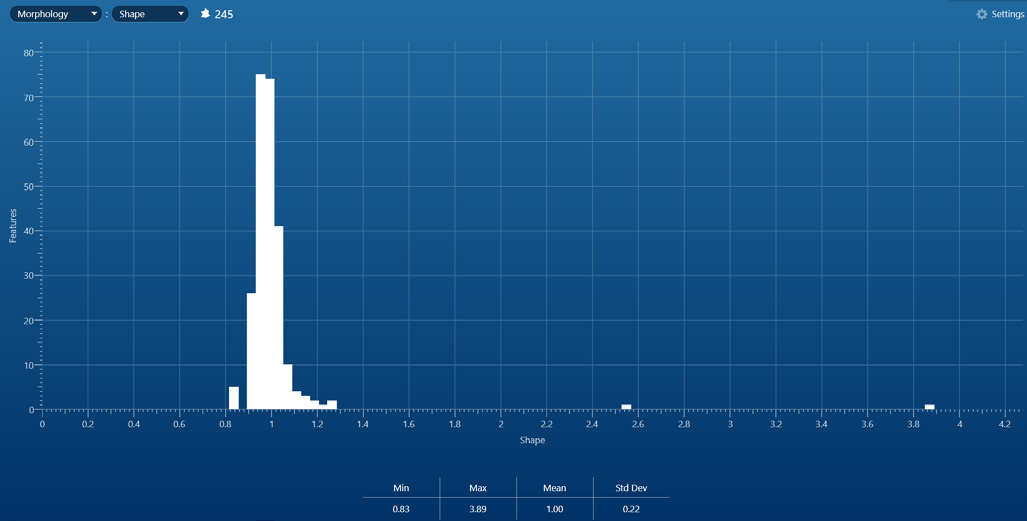
The inclusions that were found were of consistently small sizes (<1 μm) and well dispersed as shown in Fig. 7a, b. The inclusions were generally spherical in shape, with their size (ECD) varying between 0.11 and 1.3 μm with a mean average ECD of 0.23 μm as shown in Fig. 7c. The use of an Ultim Max detector with a large sensor area made rapid analysis down to the nanoscale possible whilst maintaining statistical certainty and accuracy.
(a)
(b)
(c)
Fig 7. (a) Classified distribution of inclusions from a large area(b) typical size of inclusions. (c) Histograms of ECD and shape distribution of detected inclusions
Ultra Clean Steel
An area of major interest in the steel industry is the production of ultra clean steels for various critical applications such as jet engine steel. In jet engine steels it is essential to have toughness and ductility as well as high tensile strength. High tensile strength can be obtained by increasing the carbon content; however, this is often at the cost of toughness and ductility. Therefore, it is desirable to have good notch properties by avoiding inclusions in the steel to have optimum tensile strength without increasing the carbon content.
This example shows an ultra-clean steel with a reduced number of sulfide inclusions that has been achieved by optimising the processing.
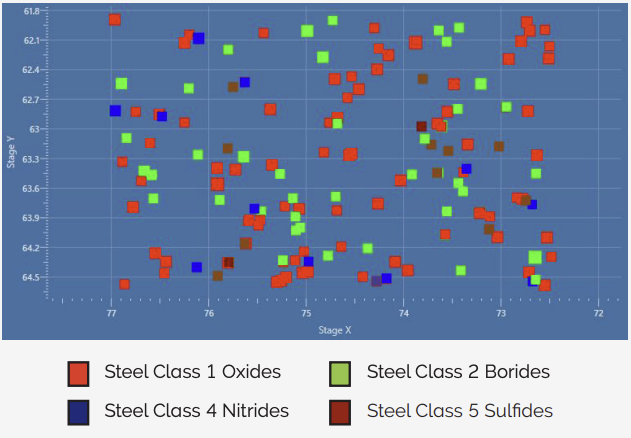
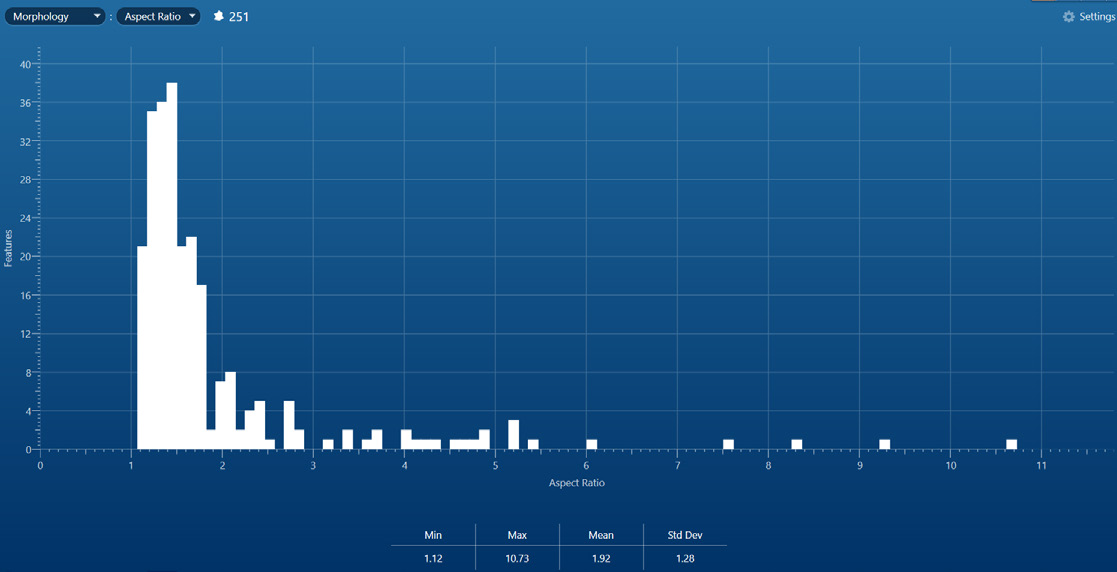
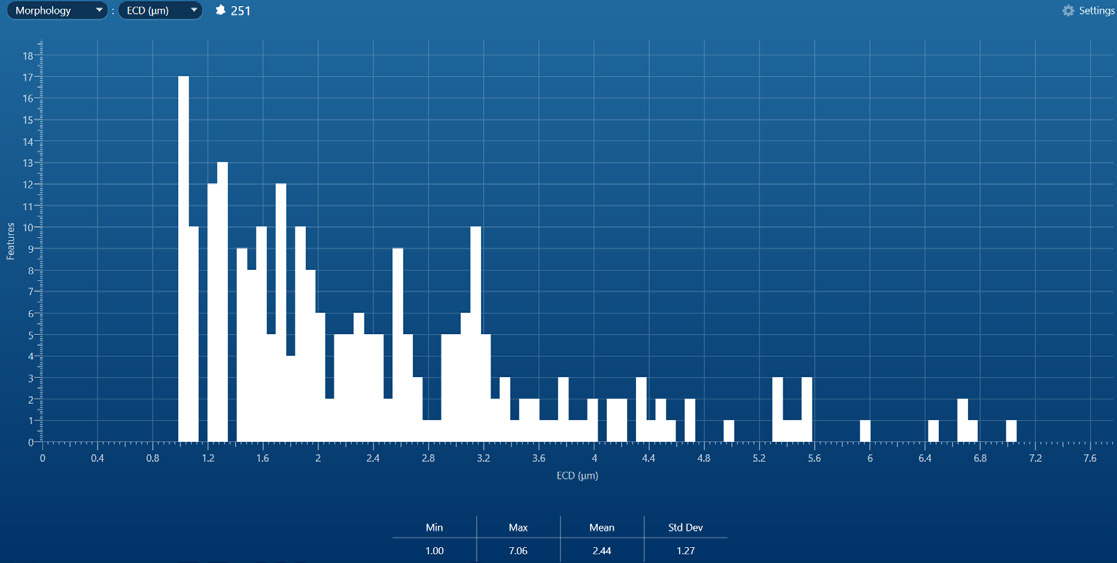
Table 4 lists the type of inclusions detected in an ultra-clean steel sample. It shows the majority of inclusions are spinels. In addition, corundum, boron-carbo nitride, B-C-Nitride/Oxide, B-Nitride and Me-Nitride and (Ca,Mn)S are also present. Only 14 (Ca,Mn)S inclusions were found. Inclusions were scattered throughout the area (12.4 mm²) as shown in Fig. 8a. The size of inclusions was relatively small with a mean ECD of 2.4 μm and a mean aspect ratio of 1.9.
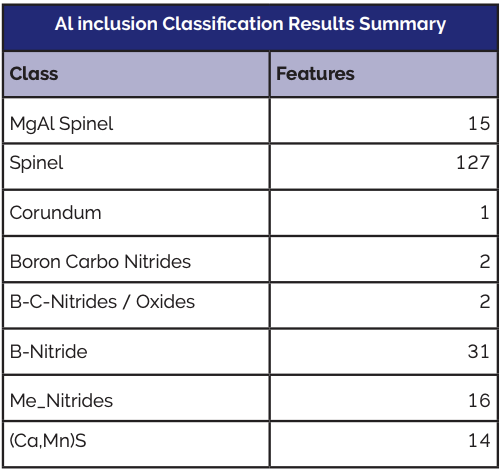
Table 4 All inclusion classification summary in an ultra-clean steel sample
(a)
(b)
(c)
(a) Classified distribution of inclusions from a large area (inclusions are coloured by their class) (b) Histograms of the ECD and aspect ratio of detected inclusions.
High Speed Steel
High Speed Steel (HSS) is one of the most important materials used for manufacturing drills, dies, and other cutting tools. High-speed steels usually contain cobalt, molybdenum, tungsten, and vanadium; all of which can form carbides. Contrary to other inclusions, these carbides can enhance hardness and wear resistance. The quality of high-speed steels greatly depends on the type, size and distribution of carbides in the matrix. Therefore, the identification and quantification of such particles is of great interest, especially in the correlation between microstructure and mechanical properties.
This example is of a standard, economical, molybdenum-containing high-tenacity high-speed steel. AZtecSteel's automated inclusion analysis was employed to ascertain the microstructure, composition, dimension and abundance of carbide inclusions.
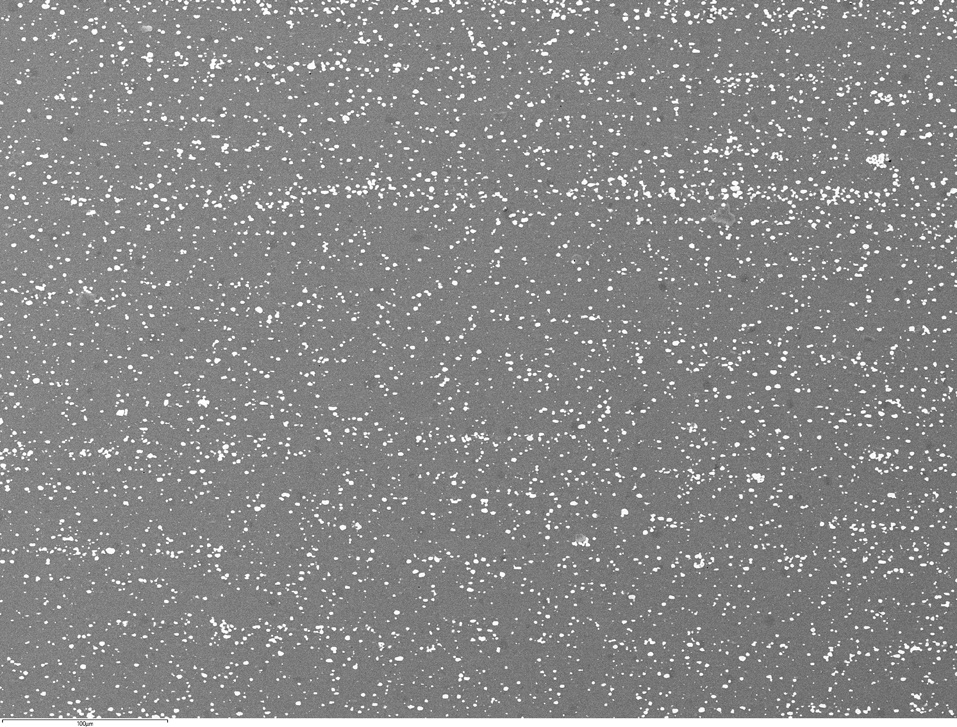
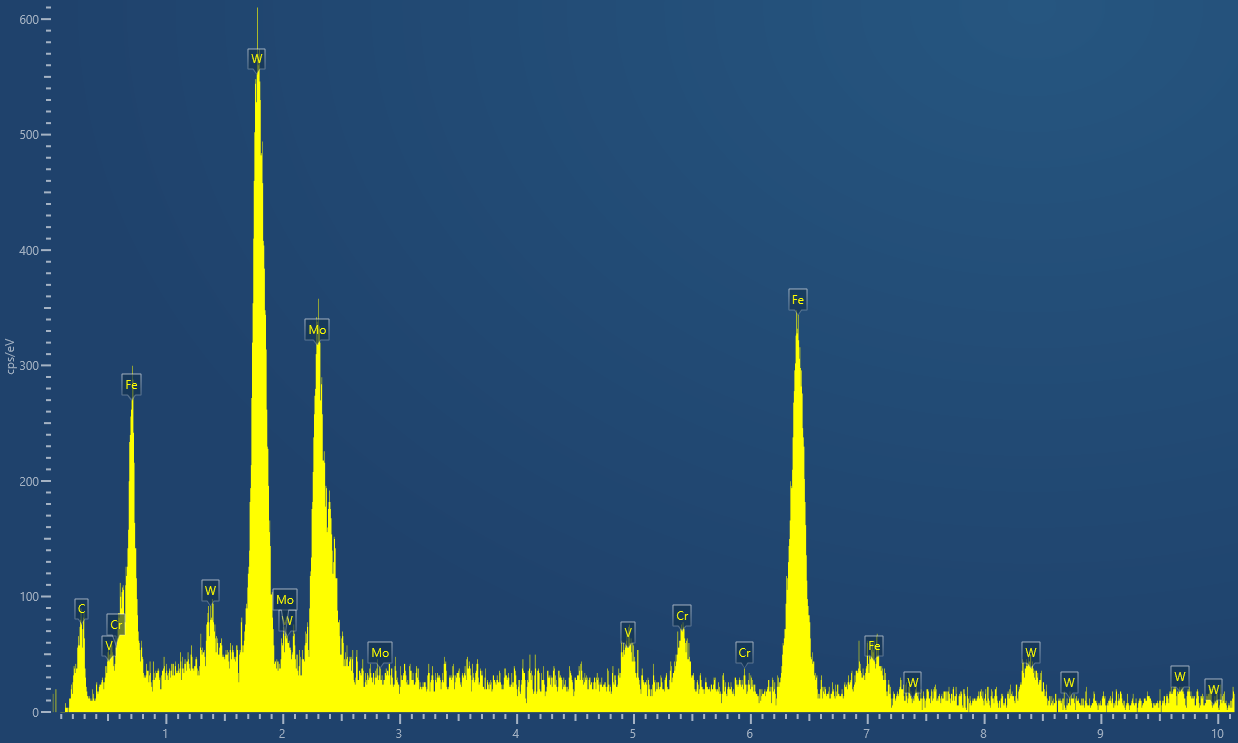
Table 5 lists the type of inclusions detected in the HSS sample; carbides account for the vast majority of those detected. The carbides which were found were Mo-W-carbide with an ECD >1.6 μm. Of the 144,085 Mo-W carbides which were detected, the mean ECD was 2.5 μm – as shown in Fig. 9. Fig. 10a shows a typical single field BSE image showing the carbide distribution. The distribution is not very uniform; there are banded carbide regions and clusters of carbides. Most carbides are spherical in shape. A typical spectrum acquired from a Mo-W-carbide inclusion is shown in Fig. 10b.
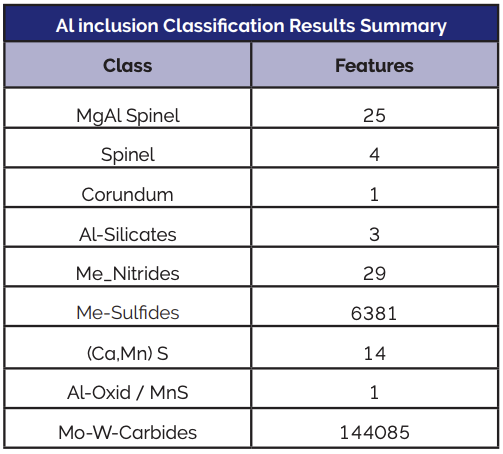
Table 5 All inclusion classification summary in a high-speed steel sample
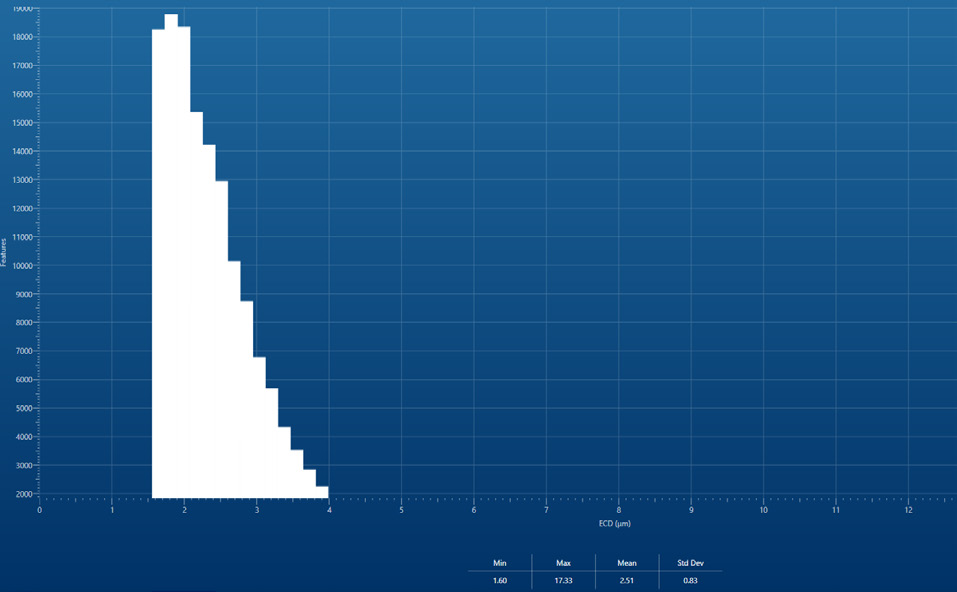
Fig 9. Histogram of ECD of detected Mo-W carbides
(a)
(b)
Fig 10. (a) BSE image showing Mo-W carbide distribution in a single field; (b) Typical spectrum acquired from Mo-W-carbides
These results are useful in understanding the influence of carbide size and distribution on the properties of the steel and tool life. With this information, processing can be optimised to further improve mechanical properties by refining carbide size and the uniformity of distribution.
By performing this kind of investigation at different process stages, an understanding of the formation and transformation of carbides in high-speed steels can be developed.
Conclusions
AZtecSteel is a powerful tool for the quick and accurate analysis of non-metallic inclusions in steels. By utilising large area Ultim Max SDDs, fully quantified compositional and morphological data can be obtained and processed at the highest possible speeds, making the analysis of large areas timely and efficient. Automatic data processing with AZtec's Tru-Q™ algorithms ensures a quantification of the highest quality is achieved at the very high-count rates used. The use of dedicated classification schemes with pre-optimised settings ensures that data is consistently and reliably acquired according to the different types of steels. Instant feedback and ease of use throughout ensures that both novice and expert users can get the most from their samples immediately.