This guide is intended to help navigate the key decisions involved in purchasing a benchtop NMR spectrometer. It is
written for anyone involved in the evaluation or purchase of a benchtop NMR system. Whether you are considering your
first benchtop NMR instrument or planning an upgrade, this guide will help you:
- Understand the differences between high-field and benchtop NMR spectrometers
- Compare key technical specifications, such as field strength, nuclei, lock type, and gradients
- Evaluate various options, including flow NMR, variable temperature, and autosampler capability
- Calculate the cost of ownership beyond the initial capital expenditure
To highlight what modern benchtop NMR spectrometers can offer, the guide draws on examples from the X-Pulse series
from Oxford Instruments. Finally, it presents a comparison of the X-Pulse 60 and X-Pulse 90 benchtop NMR spectrometers
along with a checklist of top questions to ask before purchase.
NMR Spectroscopy and Types of NMR Spectrometers
Nuclear magnetic resonance (NMR) spectroscopy is a powerful analytical technique with multiple
applications across the chemical, pharmaceutical, materials, and food and drink industries. The broad utility of NMR
spectroscopy is a result of its dual functionality: it can be used for both characterisation
(identifying specific molecular structures) and quantification (determining the amount of a specific
compound in a sample); this dual functionality makes it enormously useful in quality control (QC)/quality assurance
(QA) applications, research, process monitoring, and education.
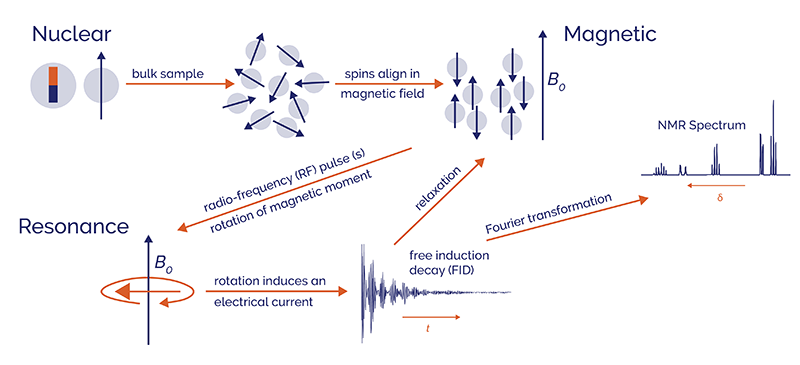
Fig. 1 — Schematic overview of how NMR spectroscopy works: nuclear spins align in a magnetic field, are perturbed
by radiofrequency pulses, and the resulting free induction decay (FID) is transformed into an NMR spectrum.
NMR spectroscopy works by placing a sample in a strong magnetic field. Nuclei that possess a magnetic moment (such as
the hydrogen nucleus, ¹H, or carbon nucleus, ¹³C) act like spinning tops in the magnetic field, precessing around the
axis of the field at a particular frequency (their Larmor frequency). Short pulses of radiofrequency
(RF) energy are applied to the sample, and these pulses tip the orientation of the precessing spins away from their
alignment with the magnetic field. When the nuclei return ('relax') to their original state,
they emit an RF signal that is detected by the NMR spectrometer (the free induction decay, FID) and
transformed into an NMR spectrum. The exact signals that are detected from each nucleus depend on its chemical
environment, meaning that atoms in different molecular surroundings (such as connected to different types or numbers
of atoms) produce distinct signals. By analysing the position, intensity, and splitting patterns of these signals, the
molecular structure can be determined and the concentration of compounds within a sample can be measured.
NMR spectrometers are grouped into two main categories: high-field and benchtop
systems. While both categories share the same basic operating principles, their design – especially regarding
portability and affordability – varies significantly.
High-Field NMR Spectrometers
High-field NMR spectrometers are the most established and widely recognised form of NMR instrumentation today. These
systems, which are typically floor-standing, use magnetic field strengths of approximately 5 Tesla (T) and above –
corresponding to operating frequencies of 200 MHz1 and above for ¹H NMR. Modern research instruments
commonly reach 9–14 T (400–600 MHz), with the highest commercially available magnet being 28.2 T (1.2 GHz).
Superconducting magnets are used to generate these high magnetic fields, and these powerful magnets
require continuous cooling with liquid helium and liquid nitrogen.
1 Operating frequency refers to the Larmor frequency of a 1H nucleus in the applied magnetic
field (i.e. the frequency at which a 1H nucleus would precess in the magnetic field). It is directly
proportional to magnetic field strength, and is commonly used as a proxy measure for magnetic field strength.
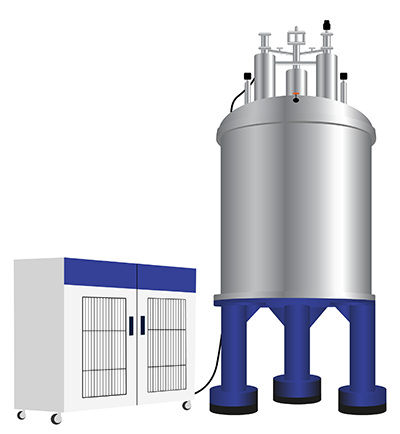
Fig. 2 — A high-field superconducting NMR spectrometer, requiring cryogenic cooling and dedicated
infrastructure.
The main advantage of high-field NMR instruments is their performance. High magnetic fields give increased
signal dispersion (the ability to differentiate closely spaced signals in a spectrum) and increased
sensitivity (signal-to-noise ratio). High-field NMR instruments, therefore, allow users to
characterise complex molecular structures and detect low-concentration compounds. As a result, high-field NMR systems
are critical in cutting-edge research applications. However, these benefits come with significant trade-offs.
Superconducting magnets require ultra-cold (cryogenic) conditions. As a result, high-field NMR instruments are very
large. Dedicated infrastructure is needed, including specialised rooms, cryogen handling facilities, and trained staff
to manage their operation. Capital expenditure is also high and running costs – especially the costs associated with
cryogens – are substantial. Access to high-field NMR systems is therefore often centralised, with instruments housed
in shared facilities rather than located directly within individual laboratories. For many routine tasks, such as
reaction monitoring, purity checks, or QC measurements, this setup can introduce delays, logistical challenges, and
unnecessary expense. These limitations were the key driver behind the development of benchtop NMR systems.
Benchtop NMR Spectrometers
Benchtop NMR spectrometers, sometimes referred to as low-field NMR spectrometers, were developed to address the
logistical and cost downsides of high-field instruments. Benchtop NMR instruments operate at lower magnetic field
strengths – typically in the 1–2.1 T range (43–90 MHz operating frequency for ¹H NMR). Because of their lower field
strengths, these systems use permanent magnets rather than superconducting magnets. This fundamental
change enables a significant reduction in size, cost, and operating complexity.
Advances in permanent magnet design throughout the 1990s laid the groundwork for benchtop NMR. The first commercially
available benchtop NMR spectrometers reached the market in the early 2010s. Improvements in electronics, magnets and
signal processing have significantly expanded the scope of applications that can be addressed, and modern benchtop
instruments are now able to perform complex experiments (including two-dimensional and gradient-enhanced methods) once
reserved for high-field instruments. One of the most significant recent advances in benchtop NMR has been the
introduction of broadband capability, allowing users to observe multiple NMR-active nuclei on a
single instrument.
In return for lower field strength, benchtop systems are compact, portable, cryogen-free, simpler to operate, and
less expensive. Their small footprint enables them to be located directly in a laboratory, inside a fume hood, or on a
trolley that can be moved between labs. Benchtop NMR systems have a lower barrier to entry for non-specialist users,
with software interfaces designed for ease of use. Once a niche tool, benchtop NMR is now a powerful analytical
platform that is redefining the way NMR spectroscopy is used.
Key Buying Considerations
Field Strength
Field strength is one of the most important parameters to understand when evaluating an NMR spectrometer. The
cryogen-free permanent magnets of benchtop NMR instruments operate at lower magnetic field strengths than standard NMR
instruments. Yet, the typical field strengths of benchtop instruments are sufficient for routine QC, education, and
many research applications.
Field strength correlates with two key properties of an NMR spectrometer: sensitivity and signal dispersion.
- The sensitivity of an NMR instrument is approximately proportional to the magnetic field strength
(B₀) raised to the power of 3/2. Thus, a 90 MHz instrument has approximately twice the sensitivity of a 60 MHz
instrument – this translates to approximately four-fold fewer scans to reach the same signal-to-noise
ratio,2 significantly reducing acquisition time, and permitting analysis of more dilute samples.
- Signal dispersion is a measure of peak separation in an NMR spectrum. Higher signal dispersion
means there are fewer overlapping peaks. Signal dispersion scales in proportion to B₀. Thus, a 90 MHz instrument has
1.5 times the signal dispersion of a 60 MHz instrument. While modern 90 MHz benchtop instruments have improved
signal dispersion over earlier benchtop designs, a high-field (superconducting) instrument remains the gold standard
for crowded spectra, such as those of complex natural products.
2 Signal-to-noise ratio (SNR) is proportional to the square root of the number of scans. Therefore, a ~2×
increase in sensitivity (as expected when increasing from 60 to 90 MHz) reduces the number of scans required to reach
the same SNR by approximately 2² ≈ 4-fold.
When deciding whether the field strength of a benchtop NMR spectrometer is sufficient for your application, consider
both sensitivity and signal dispersion. Oxford Instruments offers an Online Spectra Library featuring NMR spectra acquired on X-Pulse
instruments, which can help inform your decision.
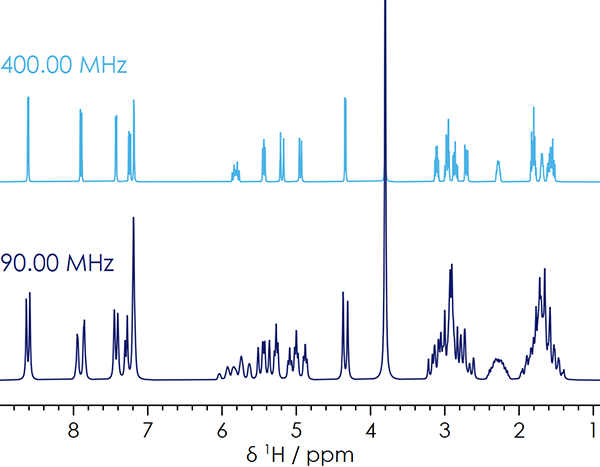
Fig. 3 — Comparison of ¹H NMR spectra of Quinine at two different frequencies, showing the increased signal
dispersion at higher frequencies.
Nuclei
Only certain nuclei can be studied by NMR spectroscopy. These nuclei are said to be NMR active. The most commonly
used NMR active nuclei are ¹H, ¹³C, ¹⁹F, and ³¹P; however, multiple other nuclei, including ¹¹B, ²³Na, ²⁷Al, ²⁹Si and
¹⁹⁵Pt, can be measured with some benchtop instruments. Benchtop instruments typically come with at least ¹H capability
as standard (the X-Pulse series comes with both ¹H and ¹⁹F capability as standard). ¹H capability is sufficient for
routine QC analysis of organic molecules. For detailed characterisation of organic molecules, ¹³C capability is
required, and additional nuclei are required for the analysis of inorganic and organometallic compounds.
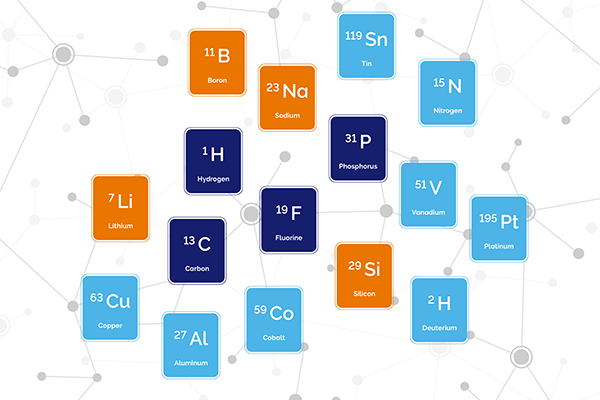
Fig. 4 — NMR-active nuclei accessible on broadband benchtop NMR instruments, including ¹H, ¹³C, ¹⁹F, ³¹P, ¹¹B,
²³Na, ²⁹Si, and others.
There are several options for adding further nuclei. In addition to the standard ¹H/¹⁹F probe, some instruments offer
fixed nuclei probes (such as a ¹³C probe), dual-nuclei probes (which allow the user
to switch between two nuclei), or broadband probes (which allow multiple nuclei). A broadband probe
offers maximum flexibility, permitting the measurement of a range of non-¹H nuclei. For applications that require
multi-nuclei flexibility or need to be future-proofed, such as an academic core facility, broadband capability is
often preferred.
Internal versus external lock
In an NMR instrument, the lock stabilises the magnetic field during the acquisition of a spectrum.
You can think of the lock as the 'image stabiliser', allowing for a clear spectrum to be obtained. NMR
spectrometers traditionally use a deuterium (²H) signal as the lock. To measure an NMR spectrum, a source of deuterium
must be present. Usually, this is done by preparing the NMR sample in a deuterated solvent, such as CDCl₃ or D₂O
(referred to as an internal lock). However, some benchtop NMR instruments make use of a sealed
deuterated reference sample (referred to as an external lock) that is contained within the
instrument.
An external lock reduces the cost of sample preparation because regular non-deuterated solvents may
be used to dissolve the sample. It also allows for the analysis of neat liquid samples (liquid samples without
solvent), such as polymers and battery electrolytes. An external lock is especially useful in flow
applications, where NMR spectra are obtained in their native solvents while the sample is flowing,
permitting continuous monitoring. However, when an external lock is used with protio solvents, a trade off occurs: the
non-deuterated solvents produce large ¹H NMR signals that can often interfere with the target NMR spectrum. Most
benchtop NMR spectrometers that offer an external lock will also offer solvent suppression methods.
These methods are essential for the elimination of undesired ¹H NMR signals from the solvent, allowing for clean ¹H
NMR spectra to be obtained. When measuring nuclei other than ¹H, solvent signals are unlikely to be a concern.
Gradient performance and orientation
Pulsed-field gradients are spatially controlled variations in magnetic field strength that find
several applications in modern NMR spectroscopy. Pulsed-field gradients enable faster acquisition of two-dimensional
spectra (via so-called gradient-enhanced pulse sequences), are critical in many solvent suppression
methods, and permit the measurement of diffusion constants. Some benchtop instruments, including the X-Pulse series,
are equipped with pulsed-field gradients, enabling modern gradient-enhanced and solvent suppression methods to be run.
The measurement of diffusion constants relies on a stronger pulsed-field gradient along one axis (typically the
z-axis, which runs parallel to B₀). This gradient is commonly referred to as a diffusion gradient
(see the Pulse Sequences section for details on diffusion methods). When combining diffusion NMR methods with flow
applications, optimal performance is achieved when the diffusion gradient is oriented perpendicular to the direction
of sample flow. The X-Pulse 90 achieves this geometry, in contrast to high-field NMR spectrometers and some benchtop
systems, where the diffusion gradient is aligned with the direction of flow. The X-Pulse 90 configuration therefore
ensures reliable diffusion measurements under flow. A diffusion gradient strength of ≥0.5 T/m is generally sufficient
for most benchtop NMR applications.
Portability
The cryogen-free, permanent magnets used by benchtop NMR instruments make them significantly more portable than their
high-field counterparts. Typical benchtop magnets weigh ≤150 kg, permitting easy installation, straightforward
reconfiguration, and movements between labs on a trolley.
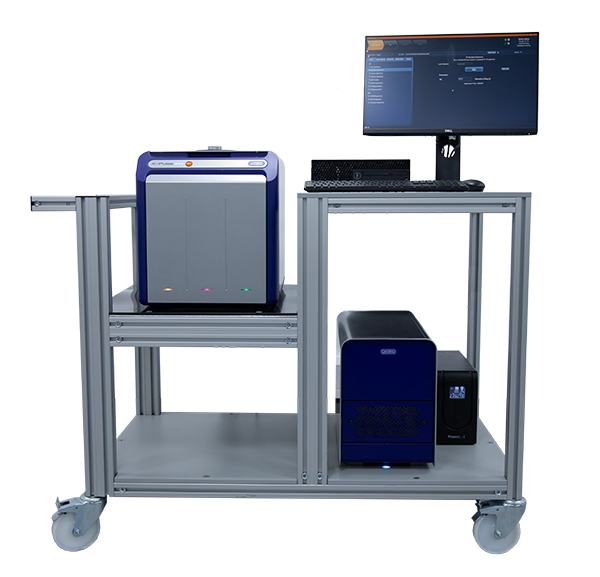
Fig. 5 — Benchtop NMR spectrometer mounted on a wheeled trolley.
Sample throughput
Some benchtop NMR spectrometers offer both manual and autosampler options. Manual
sample acquisition is well-suited to low-throughput applications, where samples are individually loaded and acquired
by an operator. This mode of operation is common in academic research laboratories, teaching environments, and QC
operations where occasional measurements are made.
An autosampler allows the NMR spectrometer to run in batch mode. Autosamplers typically hold 20–30 NMR samples and
automatically load, acquire, and eject each sample tube according to a user-programmed sequence. This mode of
operation is particularly useful in high-throughput QC laboratories, process monitoring, or academic laboratories with
high user demand. Flow cells (discussed below) are an alternative way to achieve high-throughput analysis for
applications where continuous monitoring is required.
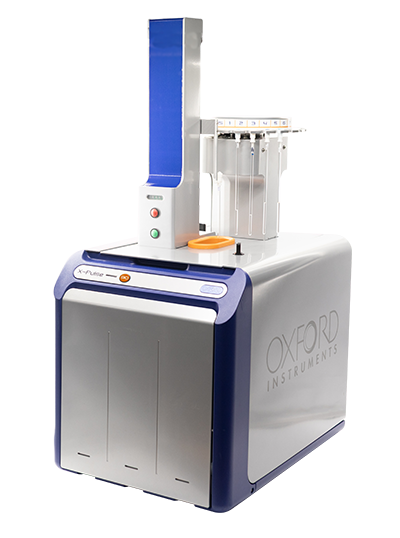
Fig. 6 — Benchtop NMR spectrometer with an autosampler unit.
Pulse Sequences
Pulse sequences are programmed sets of instructions used by an NMR spectrometer to run various experiments.
Technically, they tell the spectrometer how and when to apply specific radiofrequency (RF) pulses to manipulate
nuclear spins within the sample. Every NMR experiment is coordinated by a specific pulse sequence. Modern benchtop
instruments, such as the X-Pulse series, typically come with a full set of pre-programmed pulse sequences, meaning
that you don't need to select them from a catalogue when purchasing. However, knowing which pulse sequences suit
your work will ensure you get the most out of your investment.
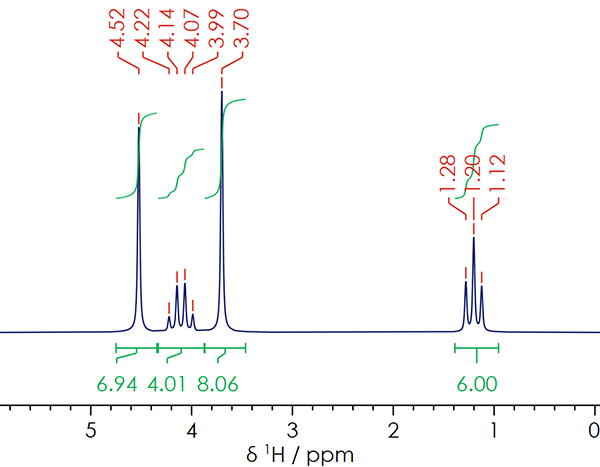
Fig. 7 — ¹H{¹³C} NMR spectrum of a mixture of alkyl carbonates as used in Li-ion battery electrolytes, showing
how NMR spectroscopy can quantify the individual signals, and hence compounds present.
Choosing the right pulse sequence for a task depends entirely on the question you need to answer:
- For routine purity checks and reaction monitoring, a 1D pulse sequence – such as
a standard ¹H, ¹³C, or ¹⁹F experiment – will suffice. These experiments yield a regular NMR spectrum with chemical
shift plotted on the horizontal axis.
- For accurate results in quantitative NMR (qNMR), the standard 1D pulse sequence is usually
modified to allow the nuclei to return to their equilibrium state before each scan; this is achieved by extending
the relaxation delay (RD). While this ensures accurate quantification relative to either an internal or external
standard, it increases the time required for acquisition. On an X-Pulse instrument equipped with a broadband probe,
qNMR can be performed on nuclei including ¹H, ¹⁹F, ³¹P, ¹¹B, ²⁷Al, ⁷Li, and ²³Na. It is important to note that the
low natural abundance of ¹³C, combined with its long relaxation time, generally makes quantitative ¹³C NMR
impractical on benchtop systems (although qualitative ¹³C NMR spectra can be readily acquired).
- For structural elucidation, two-dimensional (2D) pulse sequences are essential. These methods
spread signals out on two axes to reveal connectivity within a molecule. The most common 2D pulse sequences are
Correlation Spectroscopy (COSY), which observes ¹H nuclei that are coupled to each other (typically
two or three bonds apart), and Heteronuclear Single Quantum Coherence (HSQC), which observes
one-bond ¹H–X correlations (typically ¹H–¹³C). Additional 2D sequences can be used to map longer-range connections
to help define the molecular skeleton.
- For physical characterisation, the Pulsed Gradient STimulated Echo (PGStE)
sequence is used to measure how quickly molecules move in solution (diffusion constants). PGStE spectra can be
plotted in two dimensions to readily determine diffusion constants for multiple species in a mixture (referred to as
Diffusion Ordered Spectroscopy (DOSY)). The measurement of diffusion constants requires an NMR
spectrometer equipped with a diffusion gradient (standard on the X-Pulse 60 and X-Pulse 90).
While the most common pulse sequences are described in this section, many more sequences are available on the X-Pulse
series of NMR spectrometers. Check Oxford Instruments' documentation for the full suite of pulse sequences
available on a particular instrument.
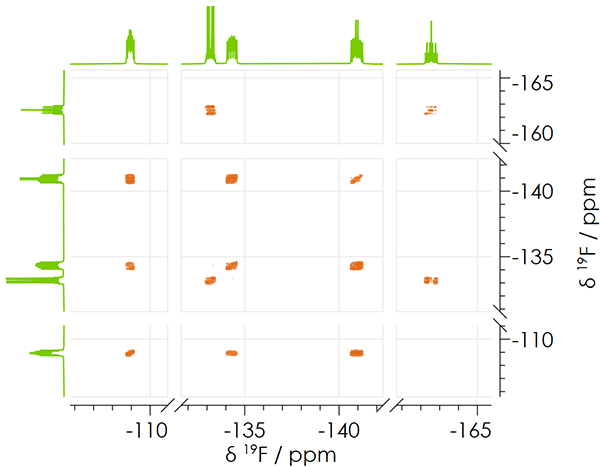
Fig. 8 — ¹⁹F–¹⁹F COSY NMR spectrum of a mixture of isomers of bromotrifluorobenzene.
Software and Data Analysis
When deciding on a benchtop NMR instrument, look for models with easy-to-use software for data acquisition and
analysis. Some models, such as the X-Pulse Series, offer separate software packages for acquisition and analysis. Some
benchtop NMR instruments offer 'one-click' spectrum acquisition, which is ideal for novice or infrequent
users. If you need to export your NMR spectra for QC workflows or publication, confirm that suitable data export
options are available. Finally, consider if you will need to customise pulse sequences (for example, to increase the
number of scans for improved signal-to-noise, or to increase the relaxation delay for quantitative NMR), and if so,
ensure that the software has this capability.
Hardware Options
Hardware options like Flow NMR and Variable Temperature (VT) NMR extend the
physical environments of the sample, allowing the spectrometer to move beyond static experiments.
Flow NMR
Flow NMR allows the spectrometer to function as a continuous detector. By replacing the standard NMR sample tube with
a flow cell, a reaction mixture can be pumped directly from a reaction vessel into the spectrometer and back again.
This is one of the most powerful approaches for reaction monitoring, allowing the observation of
short-lived chemical intermediates and the detection of reaction endpoints without the delays of manual sampling. Flow
NMR is especially valuable in chemical manufacturing and process development, where understanding reaction dynamics is
key.
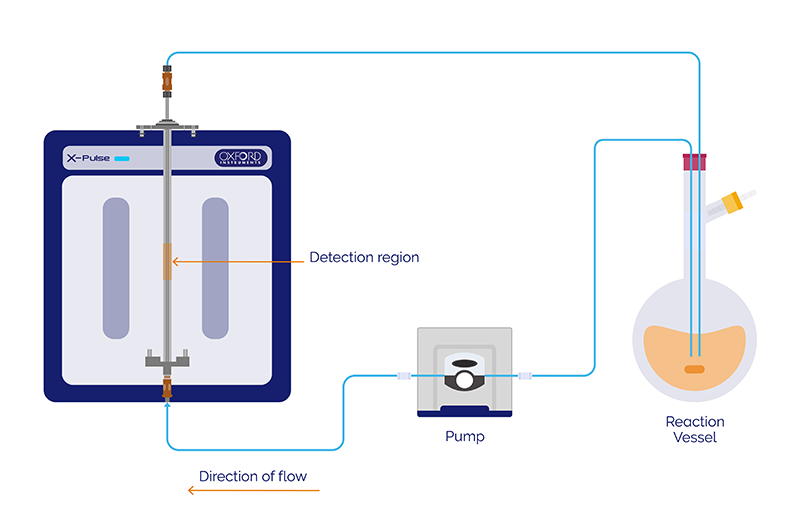
Fig. 9 — Schematic illustration of a benchtop NMR flow setup.
Variable Temperature
NMR spectra are typically recorded at ambient temperature. However, for applications involving chemical kinetics,
molecular motion or temperature-sensitive samples, this can be a major limitation. With a Variable Temperature (VT)
module, spectra can be acquired at a range of temperatures (in the case of the X-Pulse 90, from 0 to 60 °C). Common
applications of VT NMR include the study of rotational isomers (rotamers) by slowing and/or
accelerating bond rotation, overcoming solubility or stability issues, and studying
chemical or diffusion processes outside of ambient conditions. For example, in battery research, VT NMR is used to
measure how electrolyte diffusion constants change under the thermal stresses of real-world use.
Footprint and Infrastructure
Benchtop NMR instruments have a small footprint compared with high-field instruments. Most designs fit on a lab bench
or inside a fume hood and accept a standard power supply of 100/240 V and 50/60 Hz. Make sure you check the
environmental requirements of your target instrument, including the operating temperature, humidity tolerance, and
vibration sensitivity, especially if you plan on using it in a non-standard laboratory environment.
Budget and Total Cost of Ownership
The initial capital expenditure of a high-performance benchtop NMR system varies depending on the chosen nuclei
(e.g., ¹H/¹⁹F vs. broadband). These systems offer substantial operational and maintenance advantages compared with
high-field NMR spectrometers. Because benchtop NMR uses permanent magnets, there is no need for cryogen refills such
as liquid helium or liquid nitrogen. In addition, unlike high-field instruments, benchtop systems typically do not
require extra infrastructure such as specialised ventilation, dedicated NMR rooms, or oxygen-monitoring equipment, as
long as the laboratory meets the necessary environmental conditions, including temperature stability.
Most users also choose to purchase a service package, which generally includes preventative maintenance visits and
remote troubleshooting support to help ensure that the magnet and electronics continue to operate at peak performance.
In terms of day-to-day operation, a benchtop NMR is highly economical. Most designs, including the X-Pulse series,
accept standard 5 mm sample tubes, which are inexpensive and widely available. While standard
high-field NMR requires samples to be prepared in deuterated solvents, benchtop systems equipped with an external
deuterium lock (such as the X-Pulse 90) allow samples to be run in regular protonated solvents,
reducing per-sample costs.
Comparing Options
With the key buying considerations in mind, the comparison table below summarises the key specifications of the
X-Pulse series of benchtop NMR spectrometers from Oxford Instruments. Both spectrometers share the same core platform
and software ecosystem but differ in field strength and sensitivity.
| Specification |
X-Pulse 90 |
X-Pulse 60 |
| Magnetic field strength (operating frequency) |
90 MHz |
60 MHz |
| Sensitivity |
>320:1 for ¹H on a ¹H/¹⁹F only system; >240:1 for a dual-channel probe (1% ethyl benzene)
|
>200:1 for ¹H on a ¹H/¹⁹F only system; >140:1 for a dual-channel probe (1% ethyl benzene)
|
| Resolution |
Linewidth at 50% <0.35 Hz (0.0039 ppm); Linewidth at 0.55% <15 Hz (0.166 ppm) |
Linewidth at 50% <0.35 Hz (0.0058 ppm); Linewidth at 0.55% <10 Hz (0.166 ppm) |
| Nuclei Available |
As standard: ¹H and ¹⁹F; Dual-X: Choose two nuclei from our broadband range; Broadband: All
nuclei resonances ²⁹Si – ³¹P (19%–41% ¹H)3 |
| 3D Pulse Field Gradients |
x, y, z; >0.5 T/m diffusion gradient (z) as standard |
| Autosampler Compatible (optional) |
X-Auto – 25 positions |
X-Auto – 25 positions |
| Variable Temperature Range (optional) |
0–60 °C |
0–65 °C |
| Flow Cell Compatible (optional) |
Yes |
Yes |
| Size |
Magnet: 39 cm × 54 cm × 43 cm; Electronics unit: 37 cm × 52 cm × 26 cm |
Magnet: 39 cm × 54 cm × 43 cm; Electronics unit: 37 cm × 52 cm × 26 cm |
| Weight |
Magnet: 115 kg; Electronics unit: 22 kg |
Magnet: 150 kg; Electronics unit: 22 kg |
| NMR Tube Compatibility |
5 mm diameter; 7 inch minimum |
5 mm diameter; 7 inch minimum |
| PC and Software |
Windows PC included that runs SpinFlow NMR acquisition software and the latest Mestrelab Mnova
NMR data processing software. |
3 Nuclei resonating between 19% and 41% of the ¹H Larmor frequency.
Checklist – Key Questions to Ask Before Buying a Benchtop NMR Spectrometer
- What field strength do I need? Will the sensitivity and signal dispersion of benchtop NMR be sufficient for my
application? Browse through Oxford Instruments' Online Spectra Library for representative NMR spectra recorded
on both the X-Pulse 60 and X-Pulse 90 instruments.
- Which nuclei do I need to measure? Is ¹H/¹⁹F capability sufficient, or do I need additional nuclei such as ¹³C,
³¹P, or ¹¹B? If so, is a Dual-X probe sufficient, or does my application need to be future-proofed with a broadband
probe?
- Which pulse sequences will I use? Does the spectrometer offer these pulse sequences and, if necessary, can I
modify the default pulse sequences to suit my application?
- What are the physical constraints of my lab? Do I have sufficient bench space, and does my lab meet the
environmental requirements of the specific benchtop NMR system (particularly temperature range)?
- What is my expected sample throughput? Will manual sample loading meet my needs, or do I require an autosampler?
- Would it be useful to measure samples in non-deuterated solvents? If so, does the instrument offer an external
deuterium lock?
- Do I need flow NMR capability for inline reaction monitoring or continuous process analysis?
- Do I need variable temperature capability? If so, what temperature range is required?
- What is the total cost of ownership, including capital expenditure, annual service package, and consumables?
- What software and data export capabilities do I need? Does the instrument integrate with my existing workflows?
- What level of technical support and training does the manufacturer provide?